- What the Economy Actually Is
- How the Economy Works Step by Step
- Different Types of Economic Systems
- Levels of the Economy
- Important Economic Terms in Simple Language
- Economic Growth vs Economic Development
- The Government’s Role in Managing the Economy
- How the Economy Impacts Everyday Life
- Economic Cycles Are Normal
- The Role of Technology in Today’s Economy
- How You Can Be More Economically Aware
- Final Thoughts
- 📌 LATEST POST :
The economy may sound like a big, complex topic, but in reality, it’s closely connected to our everyday lives. From the price of vegetables in the market to job opportunities, salary growth, savings, and even travel plans—everything is influenced by the economy. You don’t need to be an expert to understand it. Knowing the basics can help you make better financial and life decisions.
What the Economy Actually Is
At its core, the economy is about how money flows. It includes how people earn money, how they spend it, how businesses make profits, and how governments manage resources. Every time you earn a salary, buy something, pay a bill, or save money, you are participating in the economy.
The economy exists because people have needs and wants. To meet those needs, goods are produced, services are offered, and money is exchanged. This ongoing exchange forms the economic system.
How the Economy Works Step by Step
The economy works like a continuous loop:
People work to earn income. They use that income to buy goods and services such as food, clothing, education, and entertainment. Businesses earn money from these purchases and use it to pay salaries, invest in growth, and create more jobs. The government collects taxes from individuals and businesses and uses that money to build infrastructure, provide healthcare, education, and public services.
When this cycle runs smoothly, the economy grows. When spending slows down or jobs are lost, the economy weakens.
Different Types of Economic Systems
Not all economies work the same way.
- Market economy: Prices and production are decided by supply and demand. Most modern economies follow this system.
- Mixed economy: A combination of market freedom and government control. Countries like India and the US follow this model.
- Planned economy: The government controls production and pricing. This system is less common today.
Levels of the Economy
The economy operates at different levels:
- Household economy: Your personal income, expenses, savings, and budgeting.
- Local economy: Small businesses, local jobs, and regional markets.
- National economy: A country’s industries, employment rates, inflation, and growth.
- Global economy: Trade and financial connections between countries.
Each level is connected, and changes in one level often affect the others.
Important Economic Terms in Simple Language
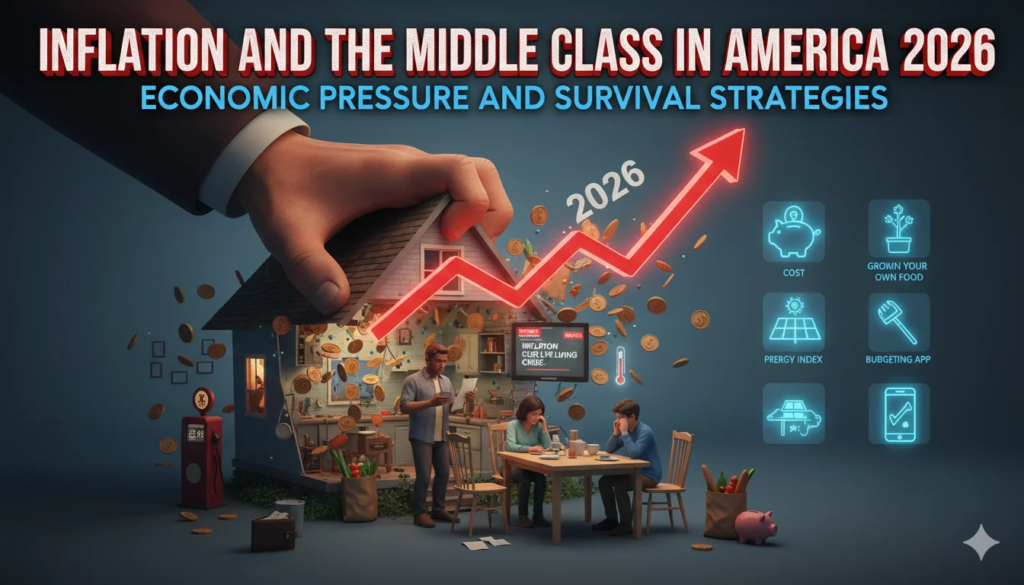
Inflation is when prices increase over time. This means your money buys less than it did before.
Deflation is when prices fall, which can slow economic growth because people spend less.
Employment refers to people having jobs and income. Higher employment usually means a stronger economy.
Interest rates are the cost of borrowing money. When interest rates are low, people borrow and spend more.
GDP (Gross Domestic Product) measures the total value of goods and services produced in a country.
Economic Growth vs Economic Development
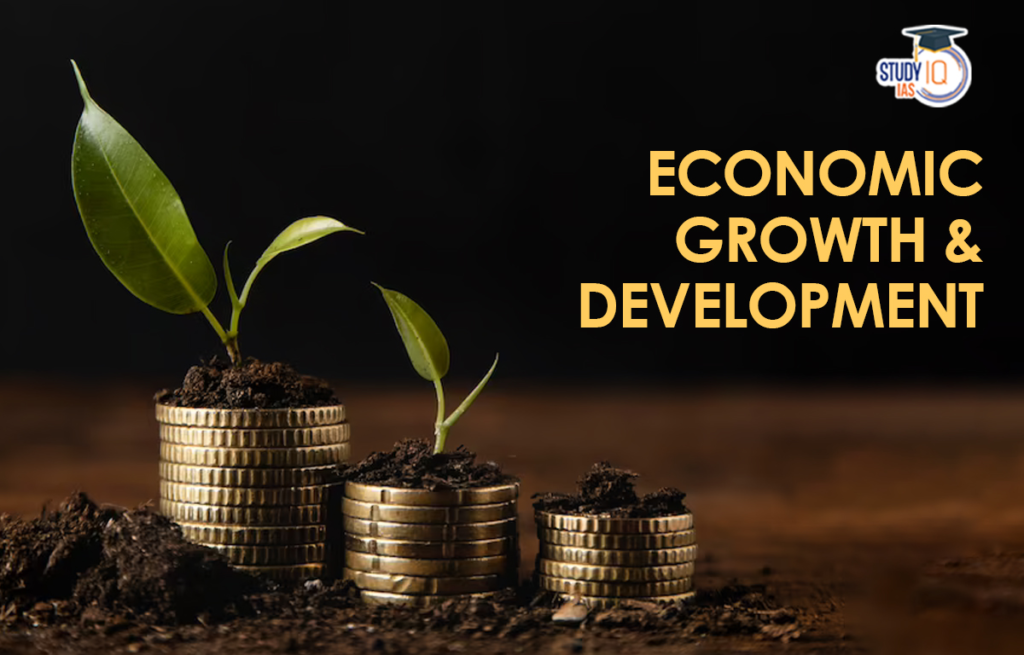
Economic growth means the economy is producing more goods and services. Economic development goes a step further—it focuses on improving living standards, education, healthcare, and income equality.
A strong economy should not only grow but also improve the quality of life for its people.
The Government’s Role in Managing the Economy
Government decisions directly affect loan costs, business expansion, employment, and household expenses.
Governments influence the economy in many ways. They decide tax rates, control public spending, and create policies that affect businesses and jobs. Central banks manage interest rates and control inflation.
How the Economy Impacts Everyday Life
The economy affects:
- Job availability and career growth
- Salaries and income stability
- Prices of food, fuel, and housing
- Savings, investments, and loans
- Business and startup opportunities
When the economy is doing well, people feel more confident and spend more. When it’s struggling, people become cautious.
Economic Cycles Are Normal
Every economy goes through phases:
- Growth
- Stability
- Slowdown or recession
- Recovery
These cycles are natural and repeat over time. Understanding this helps people prepare financially during uncertain periods.
The Role of Technology in Today’s Economy
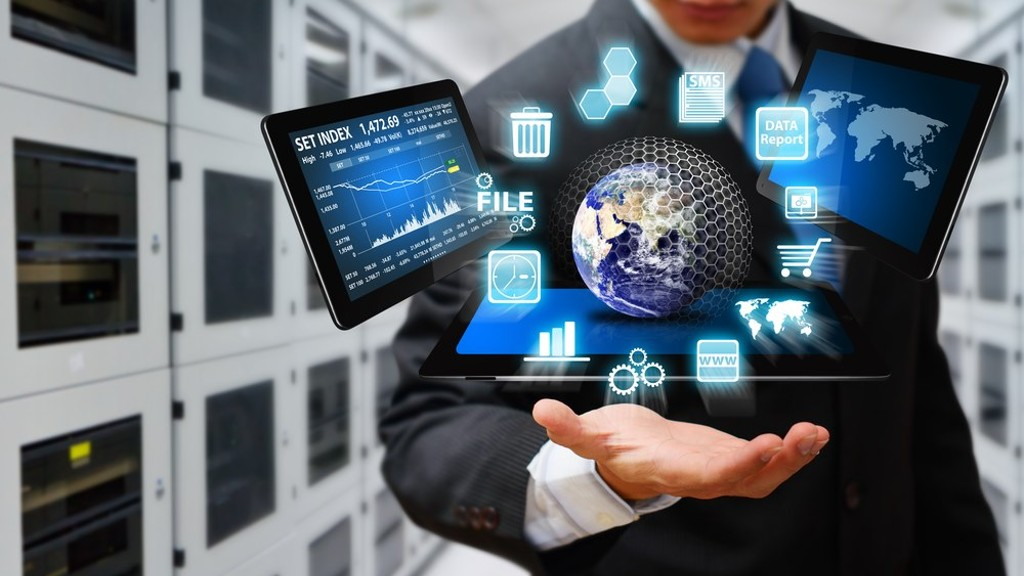
Technology has changed how the economy works. Digital payments, online shopping, remote work, and startups have created new opportunities. Technology has also increased competition and made services more accessible.
How You Can Be More Economically Aware
You don’t need to track the stock market daily. Simple habits help:
- Understand basic financial terms
- Budget and save regularly
- Stay informed about price changes
- Plan expenses wisely
Final Thoughts
The economy is not something separate from daily life—it’s deeply connected to it. Understanding how it works gives you more control over your finances and helps you adapt to changes with confidence. Even basic knowledge can make a big difference in how you manage money and plan your future.
Disclaimer: This content is for informational purposes only and does not constitute financial, legal, or investment advice.This content is for informational purposes only and does not constitute financial, legal, or investment advice.
#UnderstandingTheEconomy #EconomicBasics #MoneyMatters #FinancialAwareness #EconomicEducation #HowTheEconomyWorks #Inflation #GDP #InterestRates #EconomicGrowth #PersonalFinance #FinancialLiteracy #MoneyManagement #GlobalEconomy #Anslation #Carrerbook