
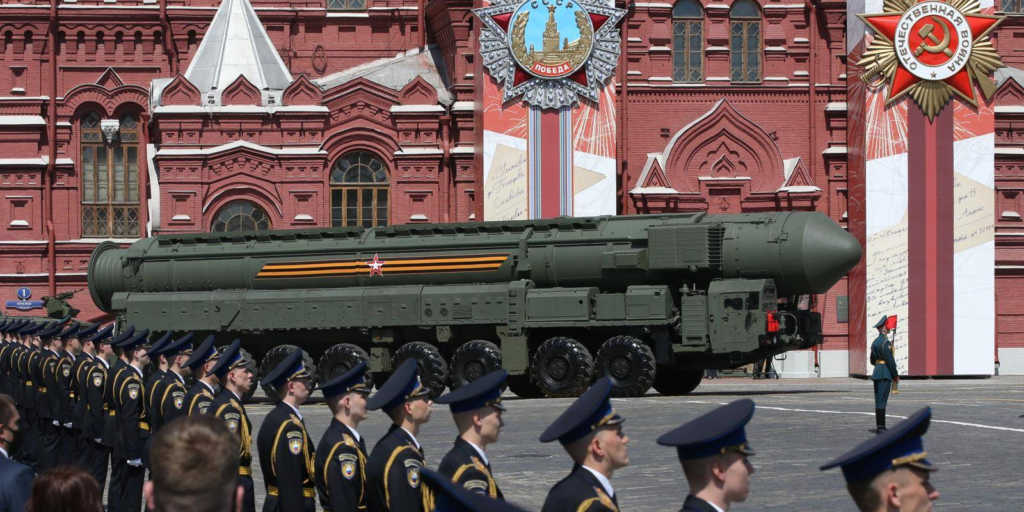
The world is currently witnessing the longest pause in nuclear weapons testing since the beginning of the atomic age. For much of the 20th century, nuclear test explosions—both underground and atmospheric—were a defining feature of global power politics. Today, that chapter appears temporarily closed. Yet beneath this historic calm lies a fragile and uncertain reality, as rising geopolitical tensions threaten to undo decades of progress.
This extended halt in testing is closely linked to evolving international norms established after the Cold War. The Comprehensive Nuclear-Test-Ban Treaty (CTBT), adopted in 1996, played a pivotal role in creating a global taboo against nuclear test explosions. Although the treaty has not formally entered into force, it has proven influential in shaping state behavior. Most nuclear-capable nations have voluntarily complied, recognizing that testing carries severe environmental, humanitarian, and diplomatic costs.
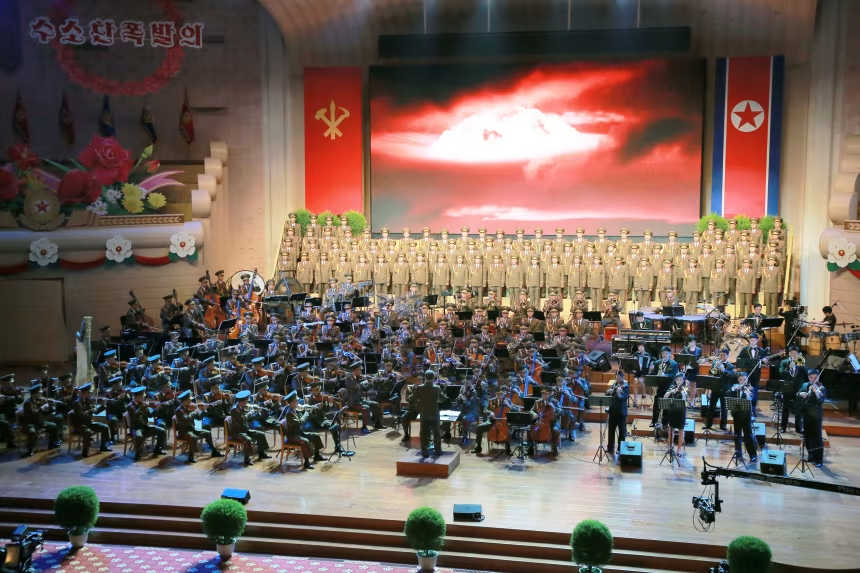
Since the late 1990s, nuclear test detonations have become rare global events. Instead of conducting explosions, nuclear-armed states increasingly rely on advanced computer simulations, subcritical experiments, and laboratory-based weapons research to maintain their arsenals. This shift toward non-explosive technologies has helped sustain deterrence while supporting the longest-ever testing lull.
However, this period of restraint is under growing pressure. Geopolitical rivalries are intensifying, particularly among major nuclear powers. Relations between the United States, Russia, and China have deteriorated, while key arms-control agreements that once provided stability have weakened or collapsed. In this climate, nuclear weapons are once again being emphasized as central elements of national security strategies.
Several nuclear-armed states are actively pursuing arsenal modernization, including the development of new delivery systems, advanced warhead designs, and evolving strategic doctrines. Although these programs do not necessarily require explosive testing, they raise concerns about whether current testing restraints will endure under future military or political pressure.
The danger is not hypothetical. A single nuclear test by a major power could trigger a chain reaction, encouraging other states to resume testing as well. Such a scenario would undermine global nonproliferation efforts, weaken international monitoring systems, and risk normalizing nuclear explosions once again. Even the symbolic impact of renewed testing would signal a breakdown in long-standing global restraint.
- Cloud Automation: How to Automate Everyday Cloud Tasks

- 15 Healthy Sleep Habits for Better Rest and More Energy

- Stock Investing for Beginners: A Simple Guide to Smart Investing

Particularly worrying are regions marked by unresolved conflicts and fragile security dynamics. In these areas, the temptation to demonstrate nuclear credibility through testing could resurface during periods of crisis, further destabilizing regional and global security.
Despite these challenges, the current pause remains a remarkable international achievement. A robust network of global monitoring systems continues to detect even the smallest seismic disturbances, reinforcing transparency and accountability. Meanwhile, scientists, policymakers, and civil society organizations continue to warn about the catastrophic consequences of renewed nuclear testing.
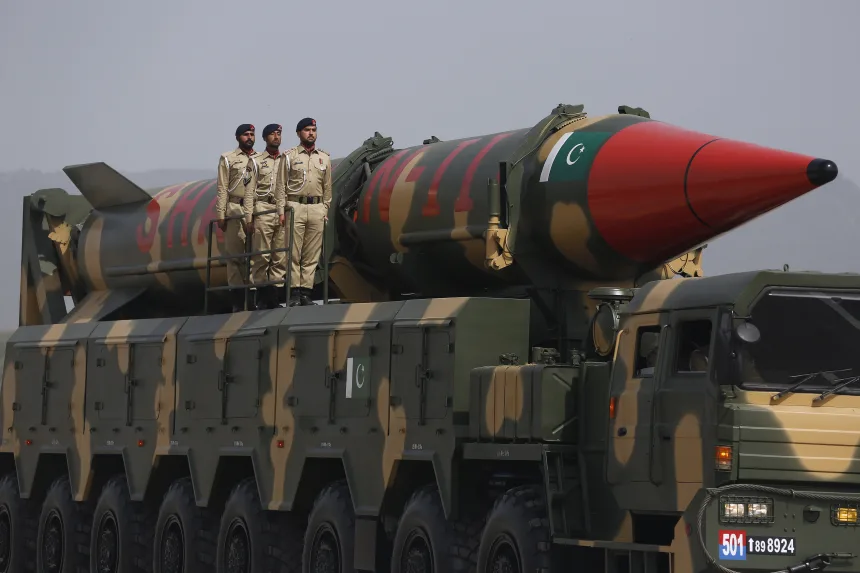
Preserving this fragile success will require renewed political commitment, strengthened arms-control dialogue, and sustained investment in verification and monitoring mechanisms. Without such efforts, the world risks slipping back into a dangerous cycle of nuclear competition.
The longest-ever lull in nuclear testing is a milestone worth recognizing—but it is not permanent. It stands as a powerful reminder that nuclear restraint is a deliberate choice, one that must be continually reinforced in an increasingly uncertain global landscape.
#NuclearTesting #NuclearWeapons #GlobalSecurity #ArmsControl #NonProliferation #CTBT #WorldPolitics #InternationalRelations #ColdWarLegacy #NuclearDisarmament #Geopolitics
Keywords : nuclear testing, nuclear test ban, nuclear nonproliferation, CTBT