Poland’s energy landscape is undergoing one of the most significant transformations in its modern history. For decades, the country has been among the European Union’s most coal-dependent economies, relying heavily on hard coal and lignite (brown coal) for electricity production, heating and industrial energy. Yet in recent years, a powerful shift toward renewable energy sources (RES) has taken root, reshaping Poland’s power mix and setting the stage for a broader energy transition that will span decades.
The Legacy of Coal in Poland
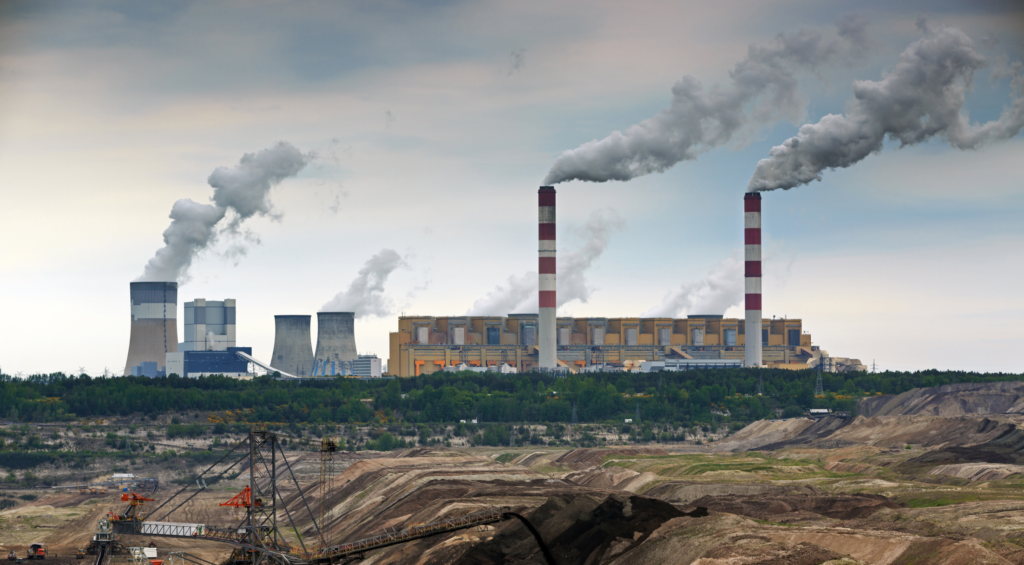
Coal has traditionally been the backbone of Poland’s energy system. Thanks to abundant domestic resources, coal not only powered electricity generation but also supported jobs and regional economies for generations. In 2023, coal accounted for a dominant share of the country’s electricity production—far higher than most EU peers—which contributed to high carbon dioxide emissions and air quality concerns.
Despite reductions in coal’s share over time, it remained the primary source of electricity in 2024, accounting for over half of the energy mix. Hard coal and lignite together contributed nearly 57% of electricity generation, underscoring Poland’s continued reliance on fossil fuels.
A Rapid Rise of Renewables
In stark contrast to its coal history, Poland’s renewables sector has experienced rapid growth over the past decade:
- Wind (onshore and emerging offshore) and solar photovoltaic (PV) have led the renewable expansion, alongside biomass and small hydro installations.
- RES accounted for a record 28.8% of electricity generation in 2024, up from 26% the year before.
- Renewables briefly generated more electricity than coal in June 2025, with fresh estimates showing RES at around 44.2% of the energy mix versus coal at 43.7%. This marked an historic milestone for Poland’s energy transition.
While these figures reflect momentous progress, recent data suggest the growth rate of renewables may be stabilising. In 2025 overall, Poland generated just over 29% of its electricity from renewables, only marginally more than the previous year, even as coal’s share declined somewhat.
Energy Policy of Poland Until 2040 (EPP2040)
The cornerstone of Poland’s long-term energy strategy is the Energy Policy of Poland until 2040 (EPP2040), a comprehensive framework guiding the transition from coal towards cleaner energy sources.
Key Objectives
- Expand Renewable Capacity
The policy targets a doubling of installed RES capacity by 2030, aiming for roughly 23–25 GW of renewable generation—especially from onshore and offshore wind. Offshore wind capacity alone could reach around 5.9 GW by 2030 and even 11 GW by 2040. - Reduce Dependence on Coal
Coal-fired power plants are scheduled for progressive withdrawal from the grid. By 2040, a significant portion of coal capacity is expected to be retired as zero-emission sources take on a larger role. - Support Grid Flexibility and Storage
Integrating intermittent renewable power requires flexible generation and storage infrastructure, notably battery systems and enhanced grid links. These will support grid stability even as coal reduces. - Complement with Other Low-Carbon Sources
Nuclear energy and natural gas are positioned as transitional or complementary sources. Nuclear plants are planned to start operating in the 2030s, providing firm, low-carbon generation alongside renewables. - Transform Heating and Transport
The roadmap also anticipates a shift away from coal-based domestic heating and towards electrification, heat pumps, hydrogen mobility, and public transport electrification.
Implementing EPP2040 is projected to require nearly €200 billion in investments across the power, heating, and transport sectors—backed by national funding and EU climate support mechanisms.
Coal’s Declining Role
Although coal still has a strong foothold, its role is slowly diminishing:
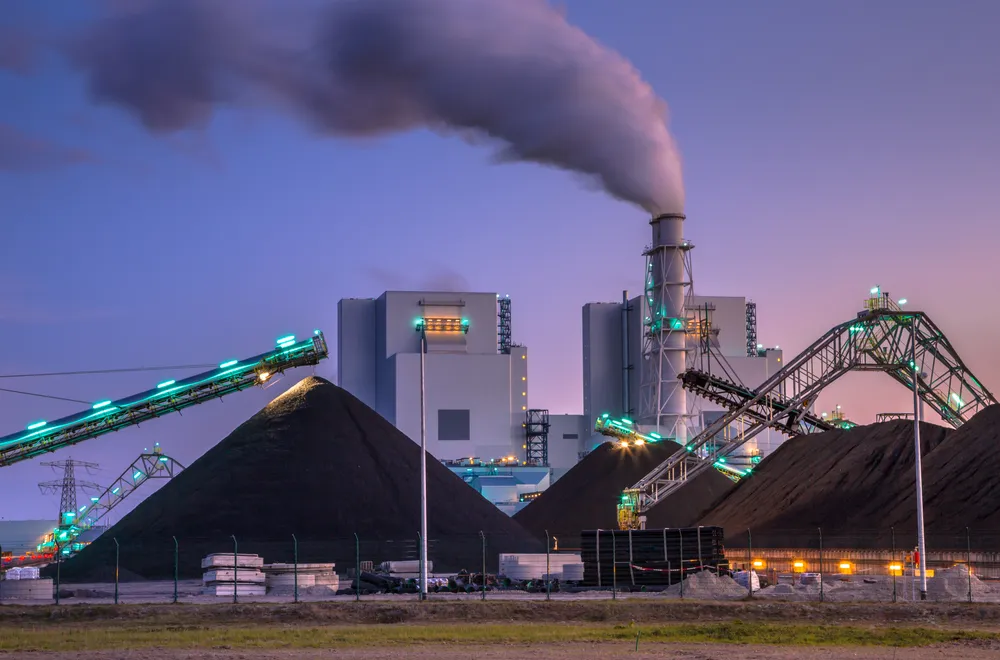
- Coal’s share of electricity has fallen from historical highs as renewable capacity increased and newer wind and solar installations came online.
- In some months of 2025, coal’s contribution dipped below 50% of the total electricity mix for the first time.
- Older coal plants face rising carbon costs, environmental compliance pressures and reduced investments—factors that accelerate retirements.
Despite this trend, Poland remains one of the EU’s most coal-dependent countries and, as of early 2026, is still the only member state without a formal coal phase-out date.
Challenges & Opportunities Ahead
Balancing Growth and Grid Stability
The rapid addition of renewable capacity places increasing demands on grid infrastructure. Without adequate transmission upgrades and energy storage, balancing supply and demand will remain challenging.
Market, Policy & Social Dynamics
Policy consistency and political support are critical. Recent parliamentary actions to liberalise wind farm regulations aim to boost renewables, but broader political dynamics continue to shape investment incentives and public acceptance.
Economic & Environmental Benefits
Expanding renewables reduces the nation’s carbon footprint, improves air quality and aligns with EU climate targets. It also decreases dependence on energy imports and supports local clean-energy industries.
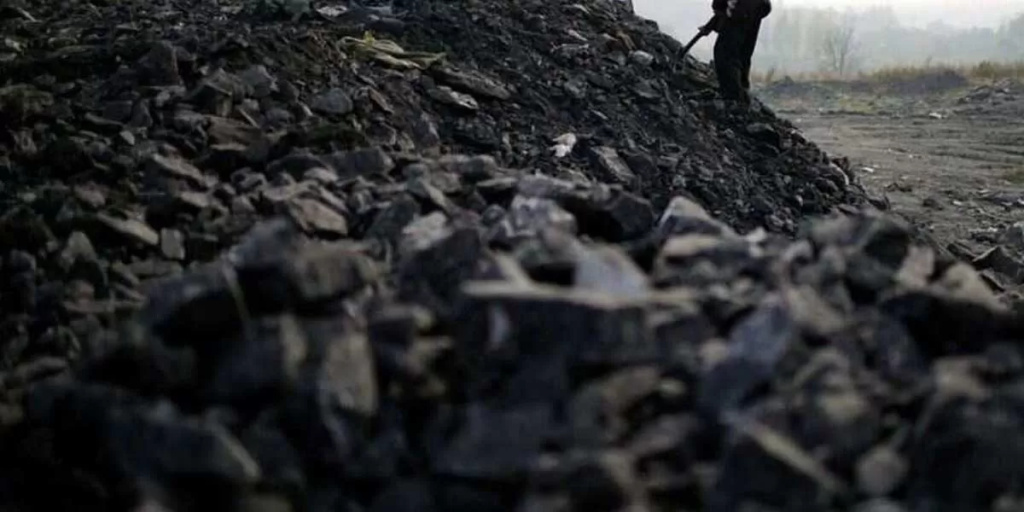
Conclusion: Poland’s energy transition—once seen as slow and coal-anchored—is now unmistakably underway. Renewables are no longer marginal players; they are reshaping the power mix and, in some periods, surpassing coal generation. Guided by clear policy frameworks like EPP2040 and driven by investment, regulatory reform, and declining costs for clean technologies, Poland is charting a credible path toward a cleaner, diversified energy future.
Yet challenges remain: grid upgrades, economic incentives, political alignment and community engagement will determine how quickly and smoothly Poland completes its shift from coal to renewables. What is certain is that the era of coal’s dominance is diminishing, making way for a more resilient and sustainable energy system.
#EnergyTransition #RenewableEnergy #CoalVsRenewables #CleanEnergy #GreenEnergy #SustainableEnergy #PolandRenewables #ClimateAction #EnergyPolicy #Anslation #Carrerbook #PolandEnergy