
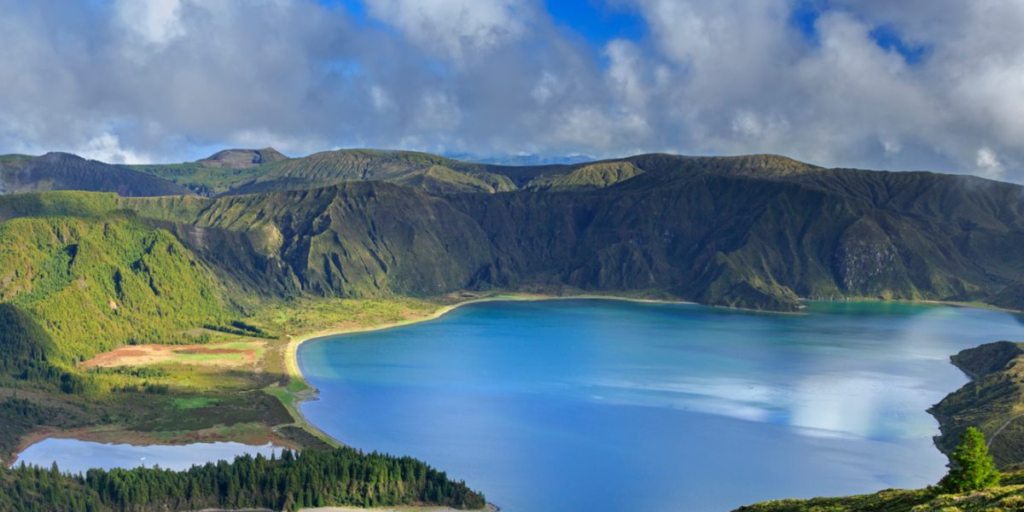
When it comes to dramatic landscapes, volcanic terrain, and unforgettable nature experiences, both the Azores and Iceland stand out as dream destinations. In 2026, travelers are looking for more than just beautiful scenery—they want value, sustainability, fewer crowds, and authentic experiences. So which destination is better this year: the Azores or Iceland?
Let’s break it down.
Natural Beauty and Landscapes
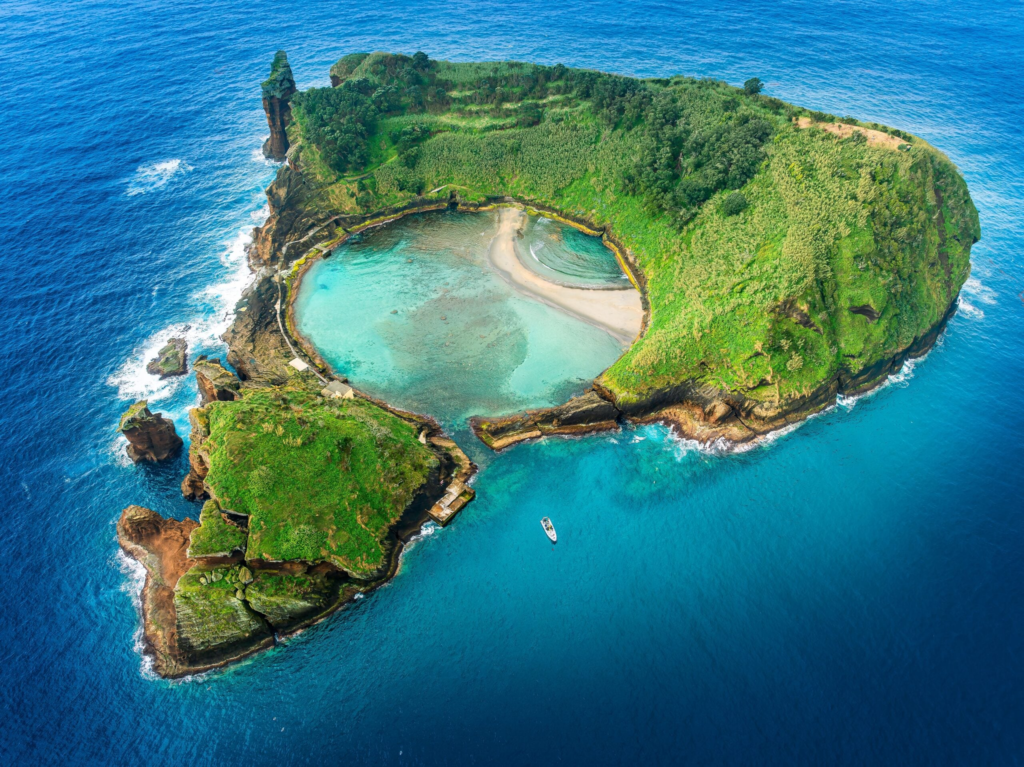
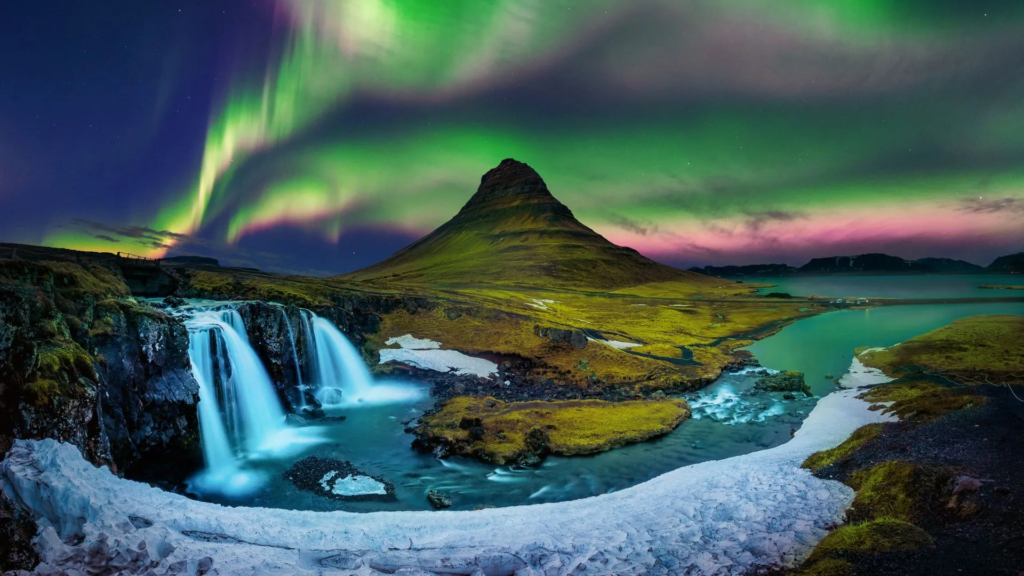
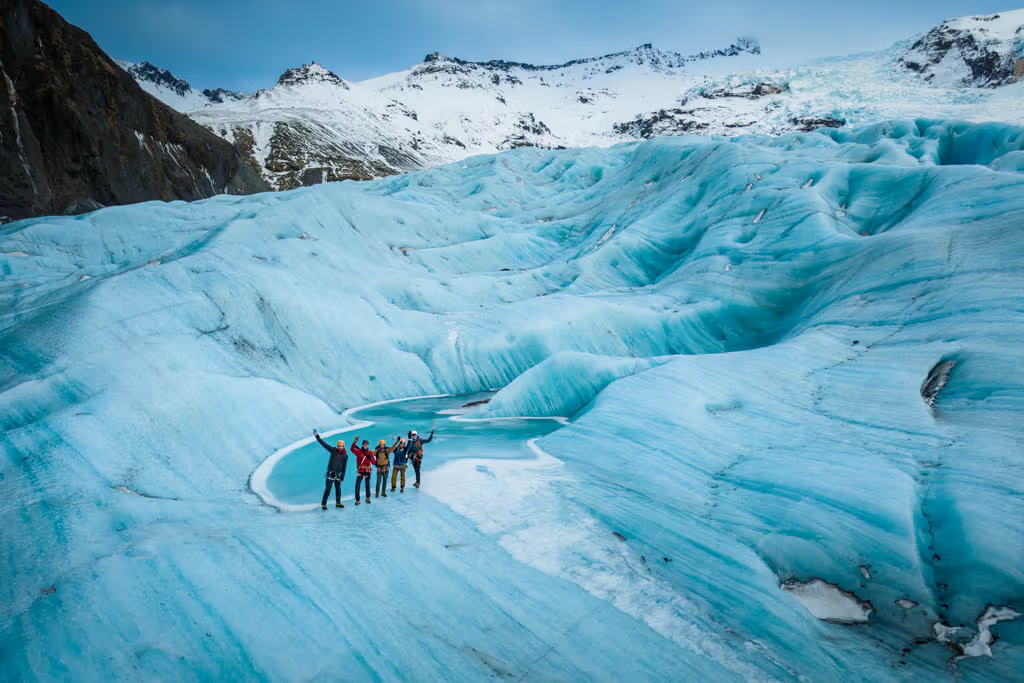
Iceland is famous for its larger-than-life scenery. Think massive waterfalls like Gullfoss, black sand beaches in Vik, powerful geysers, vast glaciers, and active volcanoes. The landscapes feel raw and cinematic. For many travelers, Iceland offers a sense of standing at the edge of the world.
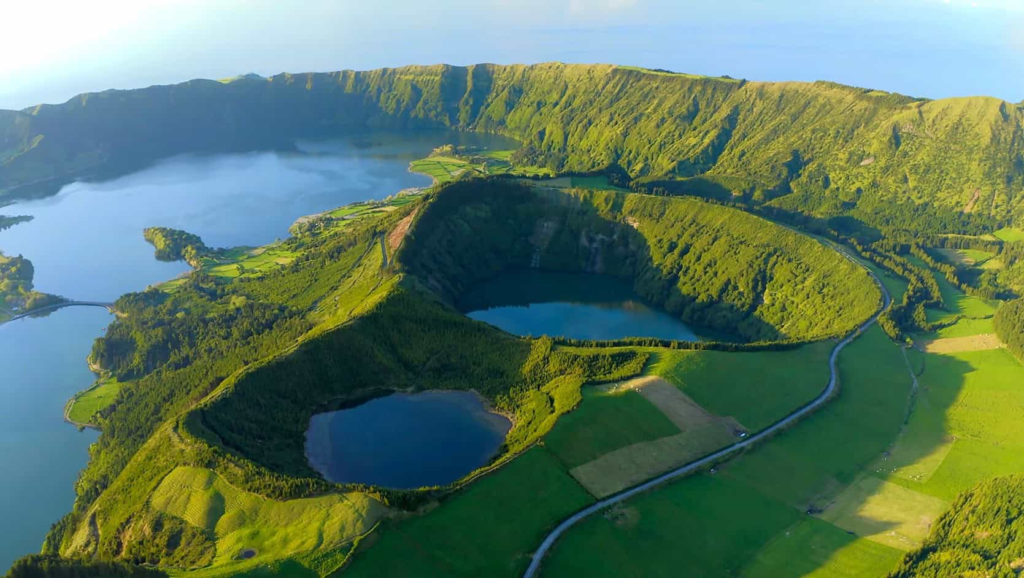
The Azores, a Portuguese archipelago in the Atlantic Ocean, offers a softer but equally stunning kind of beauty. You’ll find emerald crater lakes, rolling green hills, thermal hot springs, dramatic cliffs, and hydrangea-lined roads. The scenery feels lush, peaceful, and more intimate compared to Iceland’s rugged extremes.
Verdict: If you want epic, dramatic, and otherworldly views, Iceland may win. If you prefer green, serene, and less crowded volcanic landscapes, the Azores might be your ideal choice.
Cost and Budget in 2026
Iceland has long been known as an expensive destination. Accommodation, dining, and car rentals can significantly impact your budget. While flight deals are sometimes competitive, daily expenses tend to be high.
The Azores are generally more affordable. As part of Portugal, prices for food, lodging, and transportation are usually lower than in Iceland. In 2026, as more travelers seek value for money, the Azores continue to stand out as a budget-friendlier alternative.
Verdict: For travelers prioritizing affordability, the Azores are typically the better option.
Weather and Climate
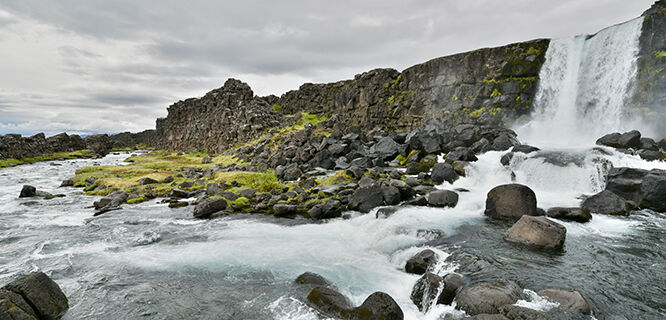
Iceland’s weather is famously unpredictable. Even in summer, you may experience rain, wind, and sudden temperature changes. Winters are cold and dark but offer the chance to see the Northern Lights.
The Azores have a mild, oceanic climate year-round. While rain is common, temperatures are moderate and rarely extreme. You won’t find glaciers or snow-covered volcanoes, but you will enjoy comfortable weather for hiking and exploring most of the year.
Verdict: For milder and more stable weather, the Azores win. For snow, ice caves, and aurora hunting, Iceland takes the lead.
Outdoor Activities and Adventure
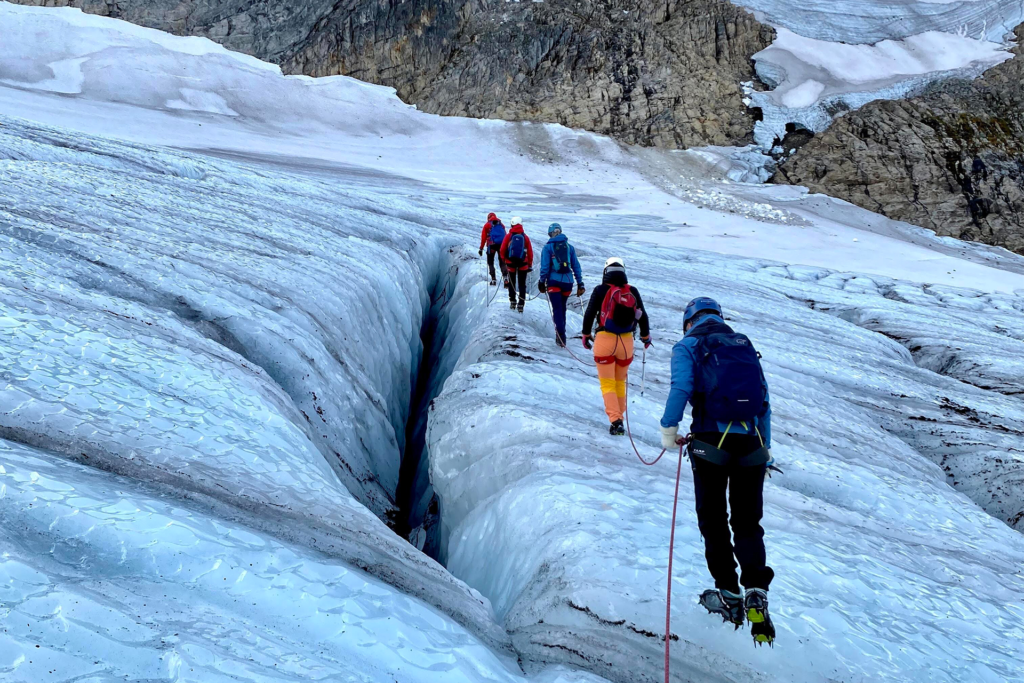
In Iceland, adventure often feels extreme. You can hike glaciers, explore ice caves, snorkel between tectonic plates, and witness active geothermal areas. It’s a playground for thrill-seekers.
The Azores offer adventure too, but in a more relaxed way. Popular activities include whale watching, hiking crater lakes, canyoning, diving, and soaking in natural hot springs. It’s adventurous without feeling overwhelming.
Verdict: Iceland suits adrenaline lovers. The Azores appeal to those who want adventure mixed with tranquility.
Crowds and Tourism in 2026
Iceland’s popularity has grown steadily over the past decade. Even in 2026, major attractions like the Golden Circle can feel busy during peak season.
The Azores, while gaining attention, remain less crowded overall. Many islands still feel untouched and peaceful. For travelers seeking quiet exploration, the Azores offer more breathing room.
Verdict: If avoiding crowds is a priority, the Azores are often the better choice.
Culture and Food



Iceland’s culture is rooted in Viking history and Nordic traditions. The cuisine focuses heavily on seafood, lamb, and dairy. Dining can be creative but expensive.
The Azores benefit from Portuguese culinary traditions. Fresh seafood, local cheeses, volcanic-cooked meals add depth to the experience. Meals are typically more affordable and varied.
Verdict: If you value rich culinary experiences at reasonable prices, the Azores may have the edge.
Accessibility and Travel Ease
Iceland is well-connected internationally, especially from North America and Europe. Infrastructure is modern and tourist-friendly.
The Azores require a bit more planning, especially if you plan to island-hop. However, improved flight routes in recent years have made access easier than before.
Verdict: Iceland is slightly easier for straightforward travel logistics. The Azores reward those willing to plan ahead.
Which Destination Is Better in 2026?
There is no universal winner—only the destination that matches your travel style.
Choose Iceland in 2026 if you:
- Want dramatic, bucket-list landscapes
- Hope to see the Northern Lights
- Enjoy extreme and unique natural phenomena
- Don’t mind higher travel costs
Choose the Azores in 2026 if you:
- Prefer fewer crowds
- Want a more budget-friendly European escape
- Enjoy green landscapes and mild weather
- Appreciate relaxed adventure and strong food culture
Both destinations offer unforgettable experiences. The real question is whether you are drawn to fire and ice, or to emerald volcanic islands rising from the Atlantic.
Final Thought
In 2026, travel is increasingly about meaningful experiences rather than just checking destinations off a list. Iceland delivers powerful, unforgettable moments shaped by nature’s extremes. The Azores offer a quieter, deeply rewarding escape that feels both authentic and accessible.
If you want intensity, Iceland might be your perfect match. If you crave balance, beauty, and value, the Azores could surprise you in the best way possible.
Travel costs, accessibility, weather patterns, and tourism trends may vary depending on global conditions and seasonal changes in 2026. Always verify current travel requirements, safety guidelines, and local regulations before booking your trip.
#Azores #Iceland #Travel2026 #TravelComparison #IslandDestinations #NatureTravel #AdventureTravel #EuropeanTravel #VolcanicIslands #Anslation #Carrerbook