Why “Rowdy” Mattered in NASCAR
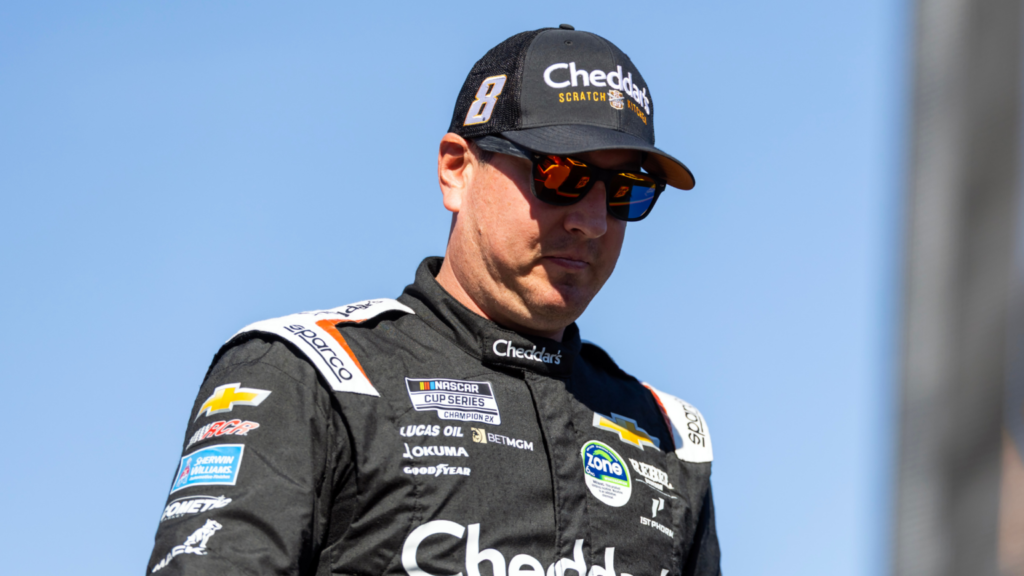
Kyle Busch never tried to be universally loved. Instead, he leaned into boos from crowds, heated rivalries, controversial interviews, and aggressive racing. That made him different from many polished athletes in modern motorsports.
Fans either:
- Loved his honesty and talent
- Or hated his aggressive style and confidence
But they always watched.
That level of emotional connection helped NASCAR maintain drama and excitement during changing eras of the sport. Busch became one of the few drivers capable of creating genuine weekly storylines beyond just race results.
The Rise of “Rowdy”
The nickname “Rowdy” reflected his unpredictable and fiery personality. Early in his career, Busch was known for:
- Emotional radio outbursts
- Public feuds with drivers
- Hard racing tactics
- Refusing to hide frustration
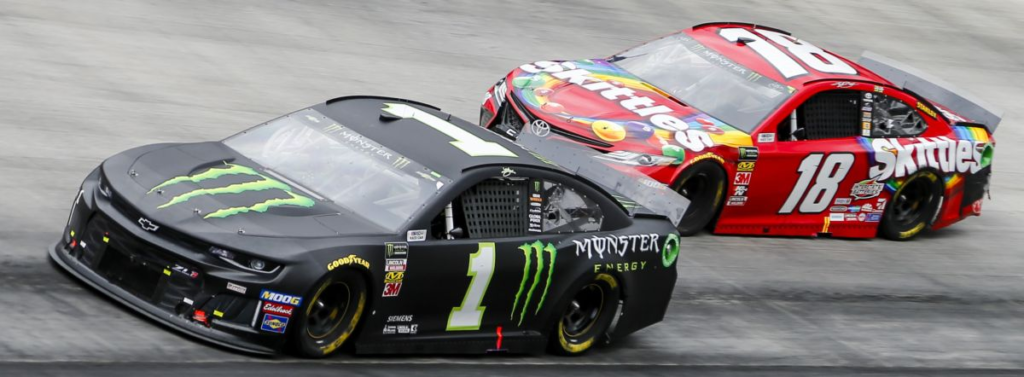
His aggressive approach created major rivalries and controversy, especially during his younger years at Hendrick Motorsports and later with Joe Gibbs Racing.
One major theme in the coverage is that Busch’s intensity often crossed into chaos, but that same energy also made him compelling television.
NASCAR Needed a Villain
Modern sports often struggle with athletes becoming too media-trained and cautious. Busch represented the opposite:
- Emotional reactions
- Authentic rivalries
- Raw competitiveness
- Willingness to upset fans
That helped NASCAR preserve the old-school racing atmosphere fans associated with legendary rivalries from earlier decades.
The USA TODAY piece argues that NASCAR needed someone audiences could passionately root for or against — and Busch filled that role better than almost anyone of his generation.
More Than Just Controversy
Despite the “villain” image, Busch backed it up with elite performance:
- Two NASCAR Cup Series championships
- More than 200 wins across NASCAR national series
- One of the winningest drivers in NASCAR history
- Success in Cup, Xfinity, and Truck Series racing
His talent forced even critics to respect him.
Evolution Over Time
As Busch got older, especially after becoming a father, his public image softened somewhat. NASCAR’s long-form feature “Rowdy at 40” described how maturity and family life changed parts of his personality while keeping his competitive edge intact.
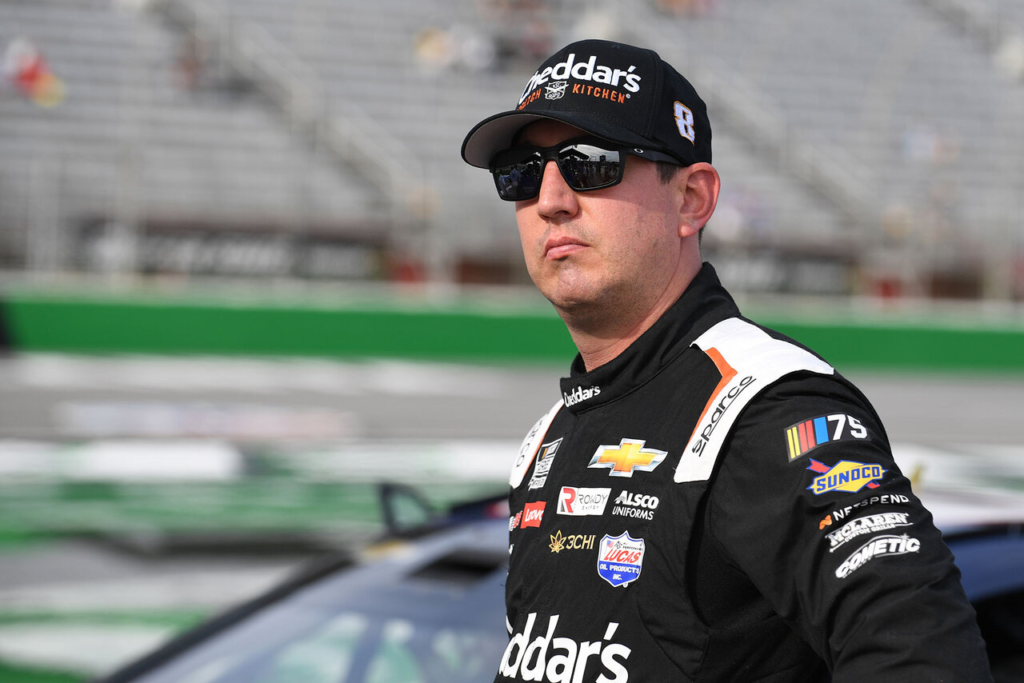
He remained emotional and intense, but fans also saw:
- Leadership qualities
- Mentorship
- Greater self-awareness
- Reflection on earlier immaturity
Even then, the “Rowdy” identity never fully disappeared.
Why Fans Connected With Him
Kyle Busch represented authenticity in a sport built on emotion and rivalry. Fans may not always have agreed with him, but they rarely found him boring.
His career showed that:
- Villains can be essential in sports
- Rivalries drive fan engagement
- Personality matters as much as performance
- NASCAR thrives when drivers show emotion
That combination made Busch one of the defining figures of 21st-century NASCAR.
- Cloud Automation: How to Automate Everyday Cloud Tasks
 Cloud computing has made it much easier to store data,… Read more: Cloud Automation: How to Automate Everyday Cloud Tasks
 - 15 Healthy Sleep Habits for Better Rest and More Energy
 Getting enough sleep sounds easy until real life gets involved.… Read more: 15 Healthy Sleep Habits for Better Rest and More Energy
 - Stock Investing for Beginners: A Simple Guide to Smart Investing
 For someone who is completely new to investing, the stock… Read more: Stock Investing for Beginners: A Simple Guide to Smart Investing