
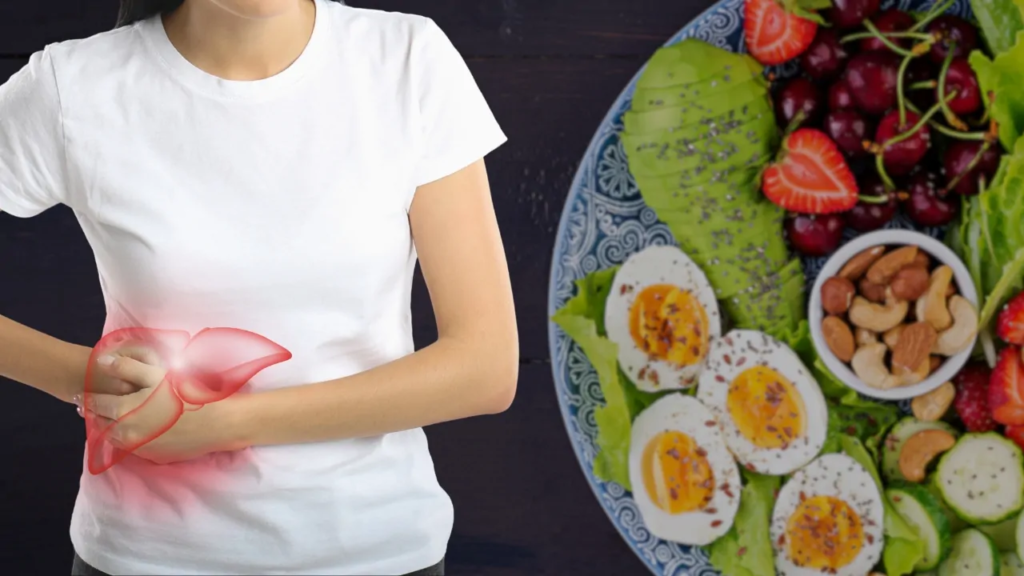
In today’s health-conscious world, protein has become one of the biggest fitness trends. From gym enthusiasts to people simply trying to live a healthier lifestyle, almost everyone is talking about protein. Protein shakes, high-protein meals, and supplements are everywhere. But honestly, the real question is — are we focusing too much on protein and forgetting what our body actually needs?
On Global Fatty Liver Day 2026, it is important to understand the connection between our food choices and liver health. The liver works quietly every day to support digestion, metabolism, and overall wellness. Naturally, taking care of this important organ should be a priority.
Understanding Fatty Liver Disease
Fatty liver disease occurs when excess fat starts collecting inside the liver cells. While a small amount of fat is normal, too much buildup can affect how the liver functions.
The truth is, fatty liver is no longer only linked with alcohol consumption. Lifestyle habits, unhealthy eating patterns, lack of exercise, stress, and metabolic issues are also becoming major factors.
Surprisingly, many people may have fatty liver without obvious symptoms, which is why awareness and prevention are so important.
Why Has Protein Become So Popular?
Protein is an essential nutrient that helps build muscles, repair tissues, support immunity, and keep the body strong. Of course, protein plays an important role in a balanced diet.
The rise of fitness culture has made high-protein diets extremely popular. People are choosing:
- Protein-rich meals
- Protein powders
- High-protein snacks
- Fitness-focused diets
And yes, protein can be helpful. But sometimes, the idea of “more is better” can lead people toward unhealthy extremes.
Can Too Much Protein Affect Liver Health?
The answer is not simply yes or no.
For most healthy people, a balanced protein intake is generally not a problem. The liver is naturally designed to process nutrients and support the body.
However, problems may occur when someone consumes excessive amounts of protein while ignoring the rest of their diet. A diet that focuses only on protein but lacks fibre, fruits, vegetables, and healthy fats may not provide complete nutrition.
In reality, the concern is often not protein itself but an unbalanced lifestyle.
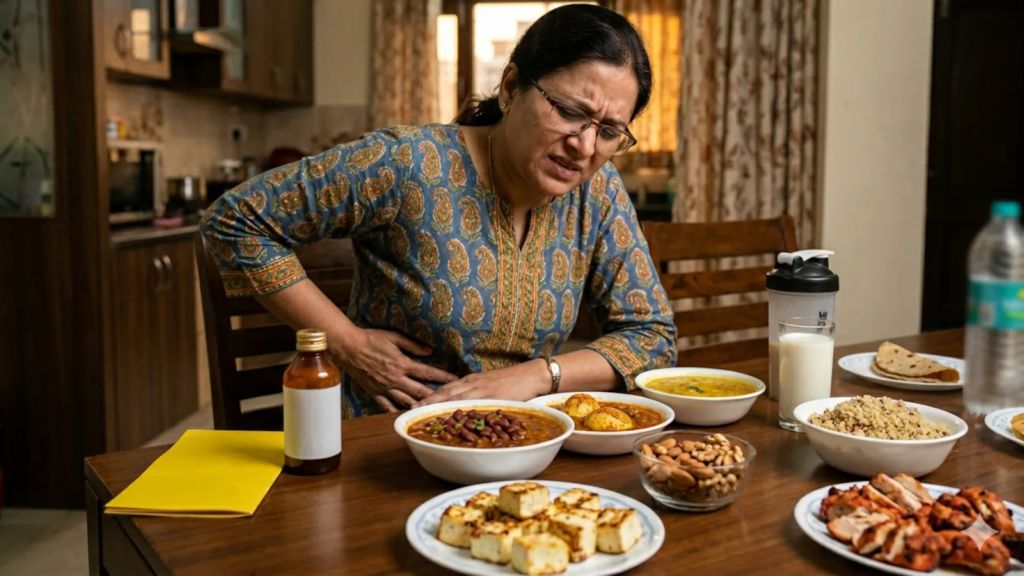
Are Protein Supplements Always A Good Choice?
Protein supplements can be useful for people who need extra protein, especially athletes or those with higher nutritional requirements.
But relying too much on supplements is not always the best approach. After all, real food provides many important nutrients that supplements may not offer.
Healthy protein sources include:
- Lentils and beans
- Eggs
- Dairy products
- Fish and lean meats
- Nuts and seeds
Choosing natural and balanced options can support better long-term health.
Simple Ways To Support Your Liver
Taking care of your liver does not mean following complicated diets. Small everyday habits can make a big difference.
Eat a balanced diet:
Combine protein with vegetables, fruits, whole grains, and healthy fats.
Stay active:
Regular movement helps maintain a healthy weight and supports metabolism.
Reduce processed foods:
Too much sugar and highly processed foods can increase the risk of fat buildup.
Be careful with trends:
Not every popular diet is suitable for everyone.
Listen to your body:
Your health needs are personal, and balance matters more than following trends.
Final Thoughts
On Global Fatty Liver Day 2026, the message is simple: protein is not the problem — imbalance can be.
The fitness world often encourages us to chase quick results, but true health comes from consistent and mindful choices. A strong body needs more than just protein; it needs proper nutrition, movement, and care.
So before adding extra protein to your routine, ask yourself: Does my body really need more, or do I simply need a better balance?
After all, protecting your liver today can help you build a healthier tomorrow.
Disclaimer: This article is for informational purposes only and should not replace professional medical advice. Always consult a healthcare professional before making major dietary or lifestyle changes.