“The return of these ancient bronze sculptures is a victory for India’s cultural heritage and a step toward correcting historical wrongs.”
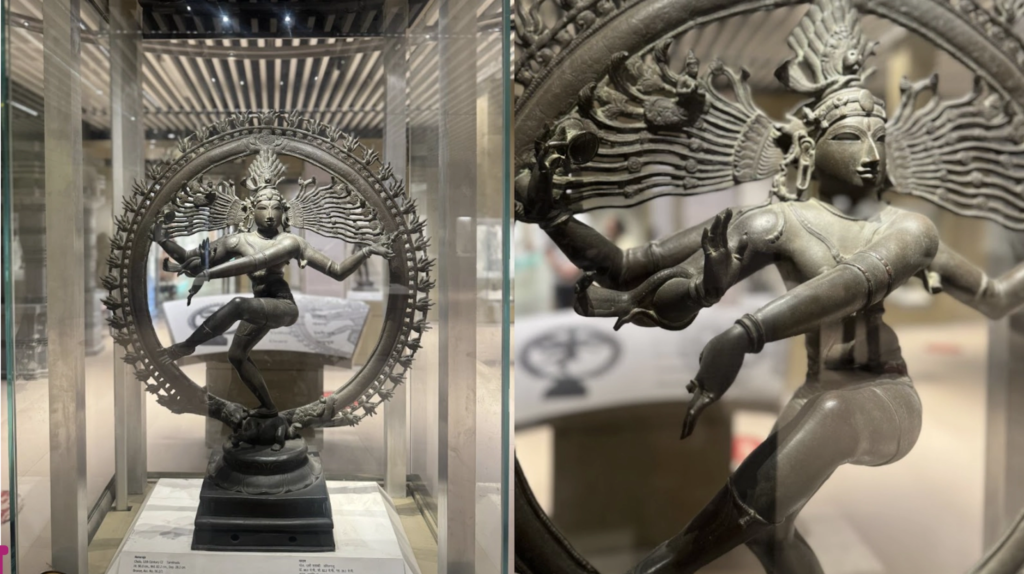
A US museum has agreed to return three ancient bronze sculptures to India after investigations confirmed they were stolen from temples in Tamil Nadu, Indian officials said. The repatriation follows years of provenance research and cooperation between Indian authorities and US cultural institutions, underscoring growing global efforts to return illicitly trafficked antiquities to their countries of origin.
The sculptures—believed to date back several centuries and crafted in the traditional Chola-era bronze style—were removed illegally from Tamil Nadu and later entered the international art market. Indian agencies traced the artifacts through documentation, archival records, and expert analysis, establishing their origin and unlawful export.
According to officials familiar with the process, the museum agreed to the return after reviewing evidence that the bronzes were stolen and exported in violation of Indian law. The decision aligns with international conventions aimed at preventing the illicit trade of cultural property and encouraging restitution when wrongful acquisition is proven.
Background and Context
Tamil Nadu is renowned for its temple bronzes, particularly those created during the Chola dynasty (circa 9th–13th centuries). These sculptures are not only artistic masterpieces but also objects of active worship in many temples. Over past decades, several idols were stolen and smuggled abroad, prompting India to strengthen investigations and pursue their recovery through diplomatic and legal channels.
India has increasingly worked with foreign governments, museums, and law enforcement agencies to identify and repatriate stolen antiquities. In recent years, multiple artifacts have been returned from the United States, the United Kingdom, Australia, and other countries as provenance standards have tightened worldwide.
Impact and Significance
The return of the three bronze sculptures is significant for cultural preservation and sets a precedent for ethical museum practices. For India, it represents progress in reclaiming heritage assets and restoring them to their original religious and cultural settings. For museums, it highlights the importance of rigorous provenance checks and transparency in collections.
Experts say such restitutions also influence the global art market by discouraging the trade of undocumented antiquities and reinforcing due diligence requirements for buyers and institutions.
Official Reactions
Indian officials welcomed the decision, calling it a “positive step toward correcting historical wrongs and protecting cultural heritage.” Cultural heritage experts noted that cooperative approaches between countries are increasingly effective in resolving such cases without lengthy litigation.
FAQ’s ?
What Happens Next
The sculptures are expected to be formally handed over to Indian authorities and returned to Tamil Nadu following standard conservation and transport procedures. Officials say investigations into other missing artifacts are ongoing, with further restitutions possible as international cooperation on cultural heritage protection continues.
#USMuseum #IndiaHeritage #TamilNadu #BronzeSculptures #CulturalRepatriation #StolenAntiquities #CholaBronzes #ArtRestitution #CulturalProperty #Anslation #Carrerbook