
- Understanding COVID-19 in 2026
- Most Common COVID Symptoms in 2026
- Fever or Mild Temperature Elevation
- Cough
- Sore Throat
- Fatigue and Weakness
- Headache and Body Aches
- Additional or Less Common Symptoms
- Symptom Timeline
- Severe Symptoms That Require Medical Attention
- Who Is at Higher Risk of Complications?
- What to Do If You Experience Symptoms
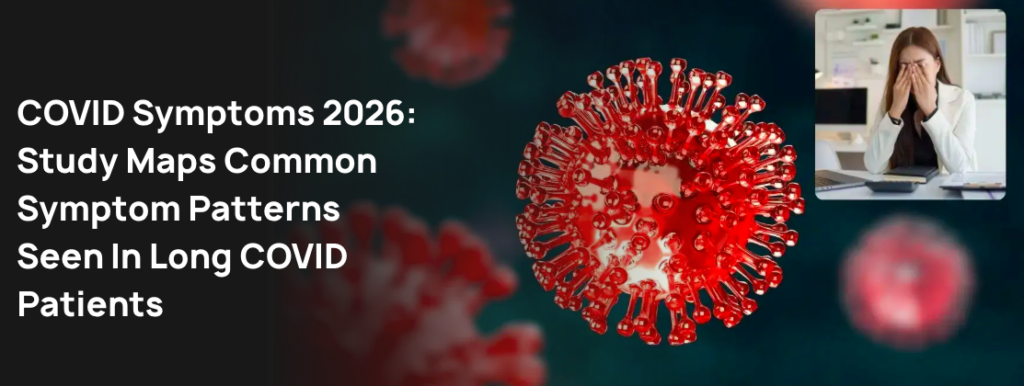
Although COVID-19 is no longer considered a global emergency, the virus continues to circulate in 2026. Due to immunity from vaccination and past infections, most cases today are milder. However, symptoms can still vary based on age, health status, and emerging variants. Staying informed helps with early identification and responsible health decisions.
Understanding COVID-19 in 2026
COVID-19 is caused by the SARS-CoV-2 virus, which primarily affects the respiratory system. Over time, the virus has mutated, leading to changes in how symptoms appear. In recent years, symptoms often resemble those of the common cold or seasonal flu, making awareness even more important.
Most Common COVID Symptoms in 2026
The following symptoms are most frequently reported across recent cases:
Fever or Mild Temperature Elevation
Not all individuals experience a high fever. Some may notice a slightly elevated body temperature or intermittent chills.
Cough
A dry or mildly productive cough remains common and may persist for several days.
Sore Throat
Many patients report throat discomfort as an early symptom. In some cases, the pain can be sharp or persistent.
Fatigue and Weakness
Unusual tiredness is one of the most consistent symptoms and may continue even after other symptoms improve.
Headache and Body Aches
Muscle pain, joint stiffness, and headaches are commonly reported, especially during the first few days of infection.
Additional or Less Common Symptoms
Some individuals may experience symptoms that overlap with gastrointestinal or upper respiratory infections, such as:
- Runny or blocked nose
- Sneezing
- Hoarseness or voice changes
- Nausea or vomiting
- Diarrhea or abdominal discomfort
- Reduced or altered sense of taste and smell (less common than in earlier years)
Symptoms can vary significantly from person to person, and some people may experience only one or two mild signs.
Symptom Timeline
COVID-19 symptoms typically appear between 2 and 10 days after exposure.
For most healthy individuals, symptoms improve within 5 to 7 days, though fatigue or cough may linger longer. Recovery time may be extended in older adults or those with underlying medical conditions.
Severe Symptoms That Require Medical Attention
While most infections are mild, immediate medical care is advised if any of the following occur:
- Difficulty breathing or shortness of breath
- Persistent chest pain or pressure
- Sudden confusion or difficulty staying awake
- Bluish or gray coloration of lips, face, or fingertips
- Sudden loss of speech or movement
These symptoms may indicate complications and should not be ignored.
Who Is at Higher Risk of Complications?
Individuals at higher risk of severe illness include:
- Older adults, particularly those over 60
- People with chronic conditions such as heart disease, diabetes, lung disease, or kidney disorders
- Individuals with weakened immune systems
- Pregnant individuals
- Those who are unvaccinated or have limited immune protection
Extra precautions and early medical consultation are recommended for these groups.

What to Do If You Experience Symptoms
If you suspect COVID-19:
- Monitor your symptoms closely
- Rest and stay well hydrated
- Consider testing if symptoms persist or worsen
- Limit close contact with others, especially vulnerable individuals
- Consult a healthcare professional if symptoms do not improve
Early action helps reduce spread and supports quicker recovery.
In 2026, COVID-19 symptoms are generally milder but still relevant. Recognizing early signs, understanding symptom progression, and knowing when to seek medical care are essential for protecting both personal and public health. Staying informed ensures timely decisions and responsible behavior in everyday life.
#CovidSymptoms2026 #Covid19Update #HealthAwareness #PublicHealth #RespiratoryHealth #VirusSymptoms #CovidPrevention #HealthGuide #InfectiousDiseases #WellnessInfo #Anslation #Carrerbook
📌 YOU MIGHT BE LIKE:
- Women’s Day 2026: Hidden Stroke Risks You Should Know

- WHY TO VISIT DISNEYLAND ATLEAST ONCE IN A LIFE

- Why Spain’s Strong Growth Matters for the Eurozone in 2026

- Why San Diego Is One of America’s Favorite Cities

- Why Miami Is America’s Luxury Destination

- Why Cortina d’Ampezzo Is Italy’s Ultimate Ski Town