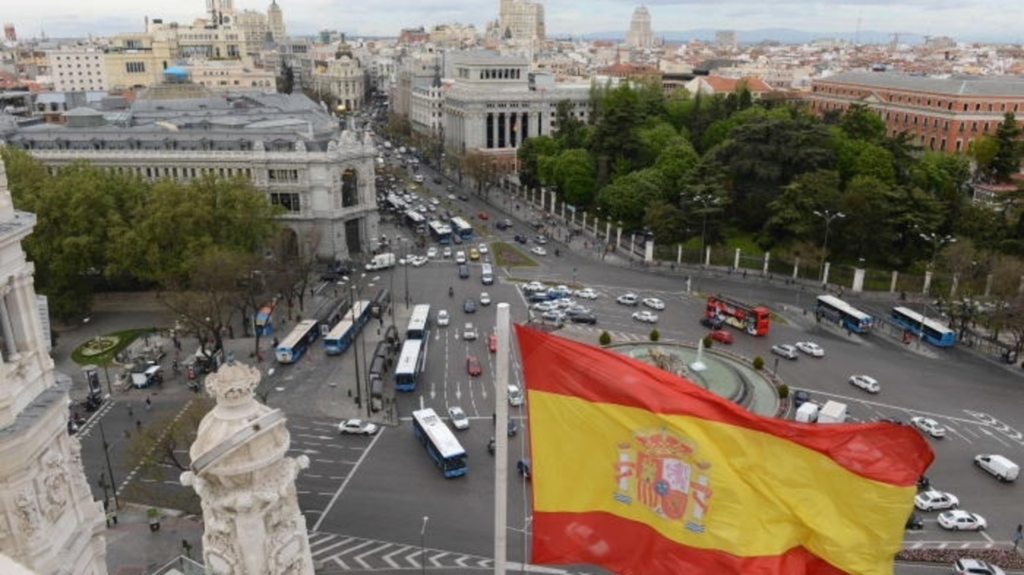
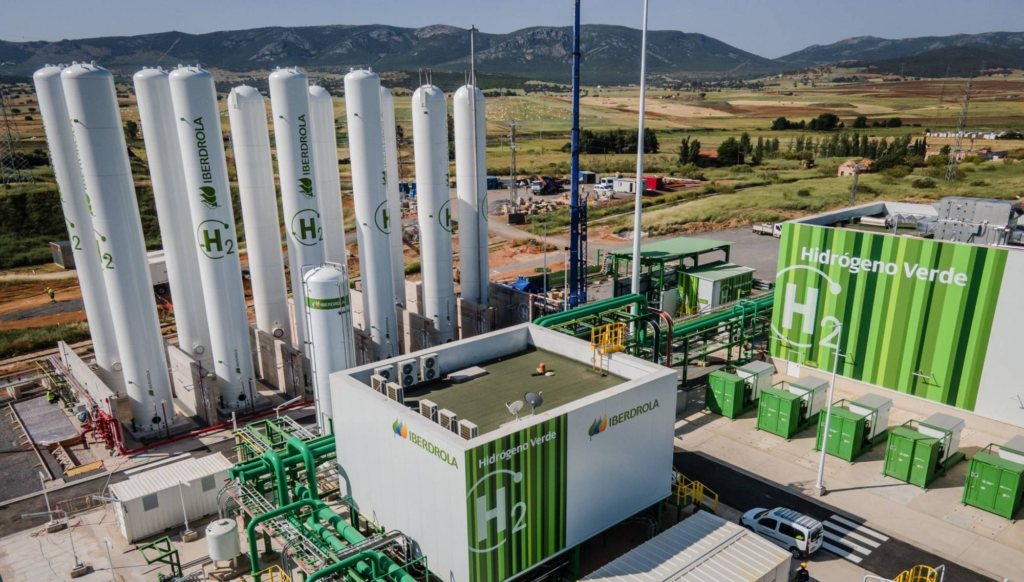
Spain is rapidly emerging as one of Europe’s most important players in the transition toward renewable energy and green hydrogen. Backed by exceptional solar and wind resources, strong government policy, and growing private investment, the country is building a clean-energy ecosystem that supports economic growth, industrial decarbonization, and long-term environmental sustainability.
Green hydrogen, produced using renewable electricity through water electrolysis, is increasingly viewed as a strategic solution for reducing emissions in sectors where direct electrification is difficult. As Spain expands its renewable capacity, green hydrogen is becoming a key pillar of its national energy and climate strategy.
Spain’s Renewable Energy Advantage
Spain benefits from some of the best renewable energy conditions in Europe. High solar irradiation across much of the country and strong wind corridors allow for large-scale deployment of solar photovoltaic and wind power. This has enabled Spain to produce low-cost renewable electricity, a crucial factor for competitive green hydrogen production.
Over the past decade, renewable energy has become a dominant part of Spain’s electricity mix. This growing supply not only reduces reliance on fossil fuels but also creates the foundation for producing clean hydrogen at scale, using excess renewable electricity during periods of high generation.
What Makes Green Hydrogen Important
Unlike hydrogen produced from natural gas, green hydrogen generates no direct carbon emissions. It serves as a clean energy carrier that can be stored, transported, and used across multiple industries. In Spain, green hydrogen is expected to play a critical role in:
- Heavy industry, including steel, chemicals, and refining
- Transport, particularly heavy-duty vehicles, shipping, and aviation fuels
- Energy storage, supporting grid stability and renewable integration
Its flexibility makes green hydrogen essential for achieving deep decarbonization across the economy.
Government Strategy and Policy Support
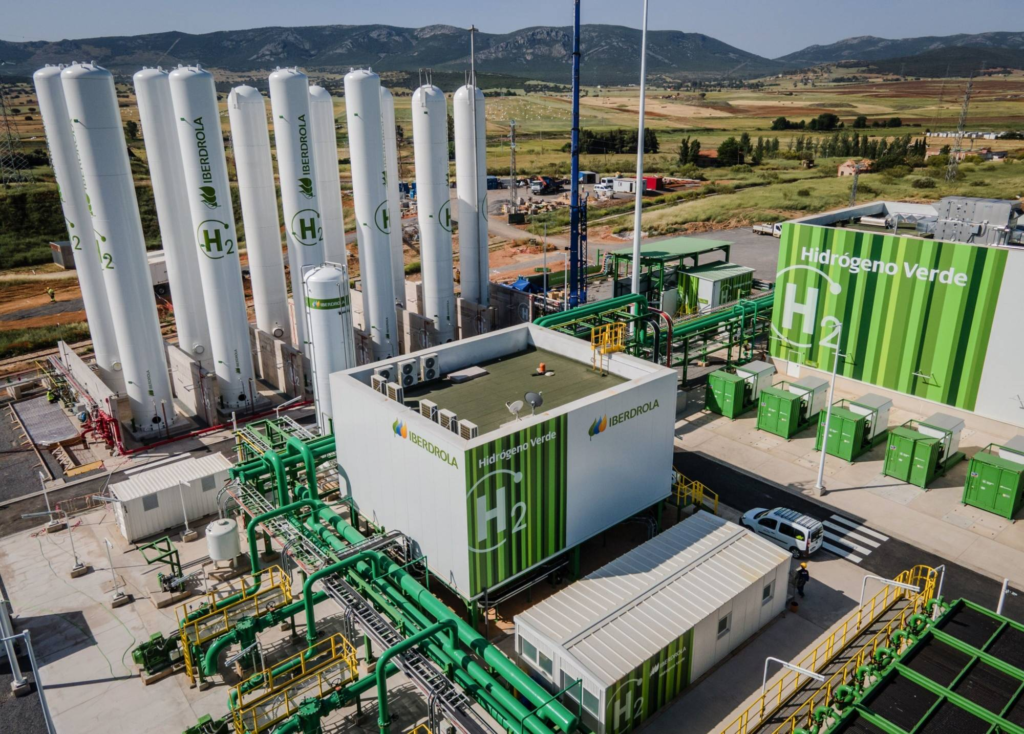
Spain’s green hydrogen development is strongly supported by public policy. The Hydrogen Roadmap and the National Integrated Energy and Climate Plan (PNIEC) outline ambitious targets for renewable expansion, electrolyzer capacity, and hydrogen usage by 2030 and 2050.
Significant funding has been allocated through national recovery programs and European Union initiatives, supporting projects across the entire hydrogen value chain. These policies aim to position Spain as a hydrogen production hub, not only for domestic use but also for future exports to other European markets.
Economic Potential of Green Hydrogen in Spain
Green hydrogen represents a major economic opportunity for Spain. The country is expected to become one of Europe’s most cost-competitive producers, thanks to low renewable electricity prices and expanding industrial capacity.
Large energy companies and industrial groups are investing billions of euros in hydrogen production facilities, renewable power plants, and supporting infrastructure. These investments are driving job creation, particularly in regions with strong renewable resources, and accelerating the growth of Spain’s clean-technology sector.
Economic Impact Overview
| Area | Key Impact |
|---|---|
| Investment | Multi-billion-euro projects across renewable and hydrogen sectors |
| Employment | Thousands of new jobs in energy, engineering, and manufacturing |
| Industrial Growth | Expansion of electrolyzers, storage, and clean-tech supply chains |
| Energy Security | Reduced dependence on imported fossil fuels |
| Export Potential | Future hydrogen exports to European markets |
Environmental Benefits and Climate Impact
Green hydrogen plays a vital role in Spain’s environmental objectives. By replacing fossil-based hydrogen and fuels, it can significantly reduce carbon dioxide emissions, particularly in industrial sectors that are traditionally difficult to decarbonize.
In addition, green hydrogen enhances the efficiency of renewable energy systems. By storing surplus electricity and converting it into hydrogen, Spain can improve grid flexibility, reduce renewable curtailment, and strengthen overall energy resilience. These benefits directly support Spain’s commitment to achieving climate neutrality by 2050.
Environmental Benefits at a Glance
| Aspect | Benefit |
|---|---|
| CO₂ Reduction | Major emissions savings across industry and transport |
| Air Quality | Lower pollution levels in industrial regions |
| Renewable Integration | Improved use of solar and wind energy |
| Energy Storage | Long-term and seasonal storage solutions |
| Climate Goals | Alignment with national and EU climate targets |
Challenges and Key Considerations
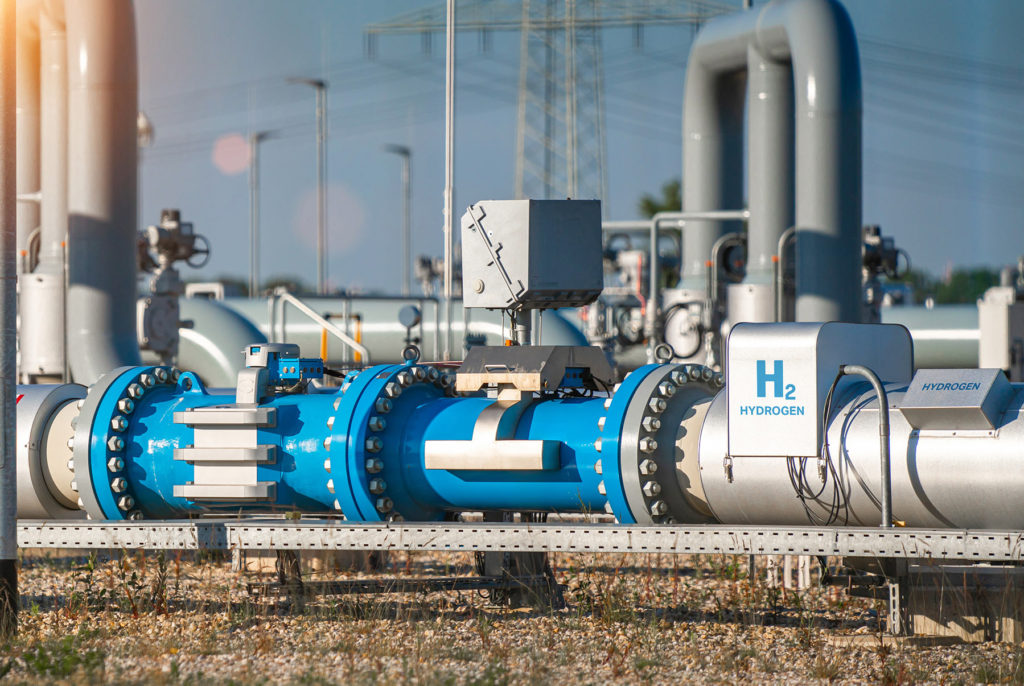
Despite its strong potential, Spain’s green hydrogen sector faces several challenges. High initial investment costs, the need for new hydrogen infrastructure, and evolving regulatory frameworks can slow large-scale deployment.
Additional considerations include ensuring adequate grid capacity, sustainable water management for electrolysis, and long-term certainty around hydrogen demand. Addressing these challenges through coordinated planning and stable policy support will be essential for continued progress.
Future Outlook
Spain is well positioned to become a central pillar of Europe’s green hydrogen economy. Continued renewable expansion, technological advancements in electrolysis, and growing cross-border cooperation are expected to lower costs and accelerate adoption.
As infrastructure develops and markets mature, green hydrogen is likely to play a defining role in Spain’s transition toward a low-carbon, competitive, and resilient energy system.
Conclusion: Spain’s combination of renewable energy leadership, policy commitment, and industrial investment gives it a clear advantage in the development of green hydrogen. The sector offers significant economic benefits while supporting environmental sustainability and long-term energy security. As part of a broader clean-energy transition, green hydrogen is set to become one of the most important drivers of Spain’s future energy landscape.
#GreenHydrogen #RenewableEnergy #SpainEnergy #CleanEnergy #EnergyTransition #SustainableFuture #HydrogenEconomy #Decarbonization #SolarEnergy #WindEnergy #ClimateAction #NetZero #GreenEconomy #EUClimateGoals #Anslation #Carrerbook