In January 2026, relations between Iran and the United States have deteriorated sharply against the backdrop of a brutal government crackdown on widespread protests in Iran and increasing U.S. military deployments in the Middle East. The unrest, triggered in late December 2025 by economic hardship and governance grievances, has since expanded into one of the most significant internal crises in years, with thousands of reported casualties and mass detentions.
Simultaneously, the U.S. government, under President Donald Trump, has escalated public and military pressure on Tehran, including repositioning aircraft carriers and fighter jets toward the region and issuing stark warnings regarding any further violence or perceived threats emanating from Iran.
The Warning: Iran’s Foreign Minister’s Message to the U.S.
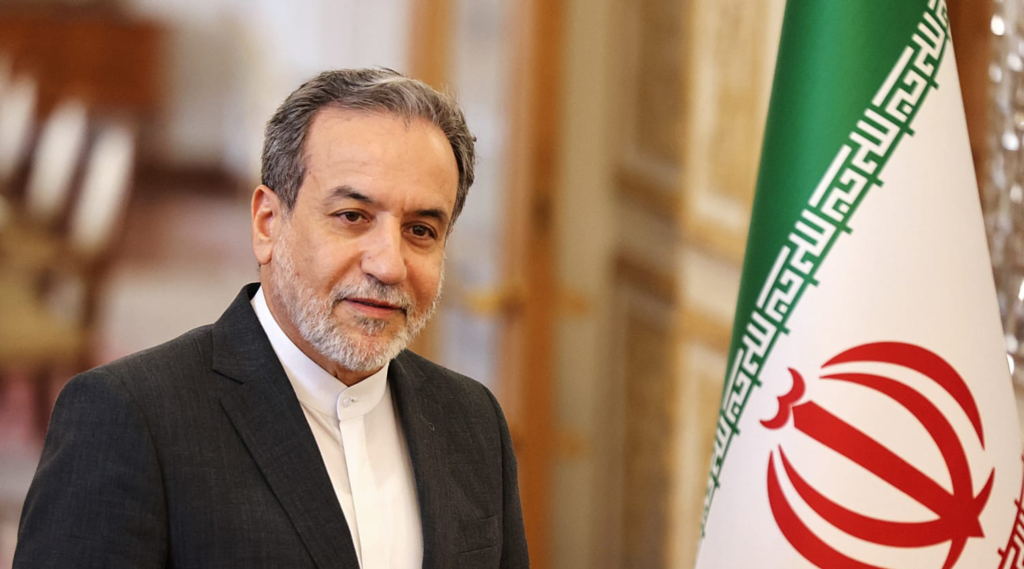
On January 21, 2026, Iran’s Foreign Minister, Abbas Araghchi, delivered the most direct and forceful warning yet from Tehran to Washington, signalling that Iran would respond robustly if the United States were to initiate renewed military action. This marked a significant escalation in rhetoric from Iranian officials.
Key Elements of the Warning
- Retaliation if Attacked
Araghchi stated that Iran’s military would be “firing back with everything we have” if subjected to renewed U.S. attack, indicating that Tehran would not show restraint as it had in past conflicts. This comment was framed in a published opinion piece in The Wall Street Journal aimed at an international audience. - No Illusion of Restraint
Unlike previous engagements — such as the 12-day conflict in 2025, where Iran displayed measured response — Araghchi emphasised that Iran’s armed forces are prepared for a far more intense confrontation if provoked. - Wider Regional Impact
He warned that any large-scale confrontation between Tehran and Washington would likely have severe consequences beyond the immediate conflict zone, potentially engulfing the broader Middle East region and affecting global security dynamics. - Context of Internal Unrest
The warning comes as Iran continues to face intense domestic pressure due to protests and international criticism of its human rights record. Araghchi sought to link external threats with internal challenges, framing foreign influence as a destabilising factor within Iran.
Iran’s Diplomatic Rhetoric and Broader Messaging
Beyond the direct warning about military retaliation:
- Araghchi has also publicly urged the United Nations and foreign governments to condemn what he described as foreign interference in Iran’s internal affairs, framing U.S. statements on the protests as provocative and unlawful.
- He emphasised that Iran was prepared to defend itself against any foreign threat while expressing a conditional willingness to engage in diplomacy only if terms respected Iran’s national interests.
These diplomatic moves form part of a broader strategy to assert Iran’s sovereign position while appealing to international law and global opinion.
- Must-Try Cuisine in Turkey: A Complete Food Lover’s Guide
 Food in Turkey is not just something you eat. It… Read more: Must-Try Cuisine in Turkey: A Complete Food Lover’s Guide
 - Kyrgyzstan in 2026: The Ultimate Central Asia Travel Guide
 Tucked away in the heart of Central Asia, Kyrgyzstan is… Read more: Kyrgyzstan in 2026: The Ultimate Central Asia Travel Guide
 - Exploring Taiwan: Beautiful Cities, Mountains, and Hidden Gems
 Located in East Asia, Taiwan is a destination that surprises… Read more: Exploring Taiwan: Beautiful Cities, Mountains, and Hidden Gems
U.S. Response and Global Reactions
The U.S. has responded to Iranian rhetoric with its own strong statements. President Trump has hinted at robust military options in response to further Iranian aggression, underscoring the risk of escalation.
Regional powers and international organisations have expressed concern about the deteriorating atmosphere, with calls for restraint and de-escalation amid fears that miscalculation could spark a wider conflict.
Implications for Geopolitics and Security
The heightened exchange of threats between Tehran and Washington comes at a sensitive moment:
- Domestic instability in Iran has weakened Tehran’s negotiating leverage while reinforcing hardline positions.
- U.S. military posture in the Middle East has intensified perceptions of threat and urgency.
- Regional actors — including Gulf states and European partners — are monitoring the situation closely due to its potential to disrupt security, oil markets, and diplomatic alignments.
Conclusion: Iran’s foreign minister’s recent warning to the United States represents one of the most explicit and forceful statements from Tehran in years. Delivered amidst domestic turmoil and mounting international pressure, the message underscored Iran’s commitment to defend its interests and reject perceived aggression.
The situation remains fluid, with diplomatic channels strained, military postures heightened, and international stakeholders urging caution. The coming weeks — and how both Tehran and Washington choose to manage rhetoric, actions, and potential negotiations — will be critical in determining whether this episode deepens into broader conflict or yields to measured diplomacy.
#Iran #UnitedStates #MiddleEastTensions #IranUSRelations #GlobalPolitics #Geopolitics #ForeignPolicy #Diplomacy #InternationalRelations #MiddleEastCrisis #USForeignPolicy #Anslation #Carrerbook