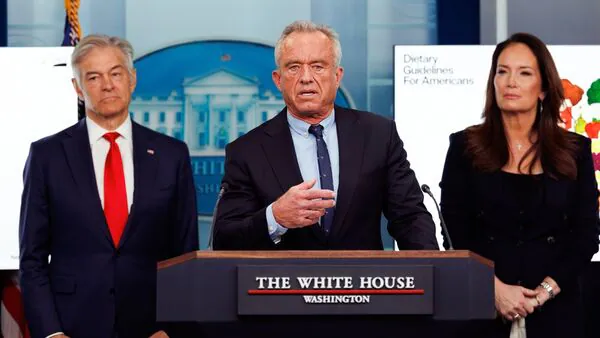
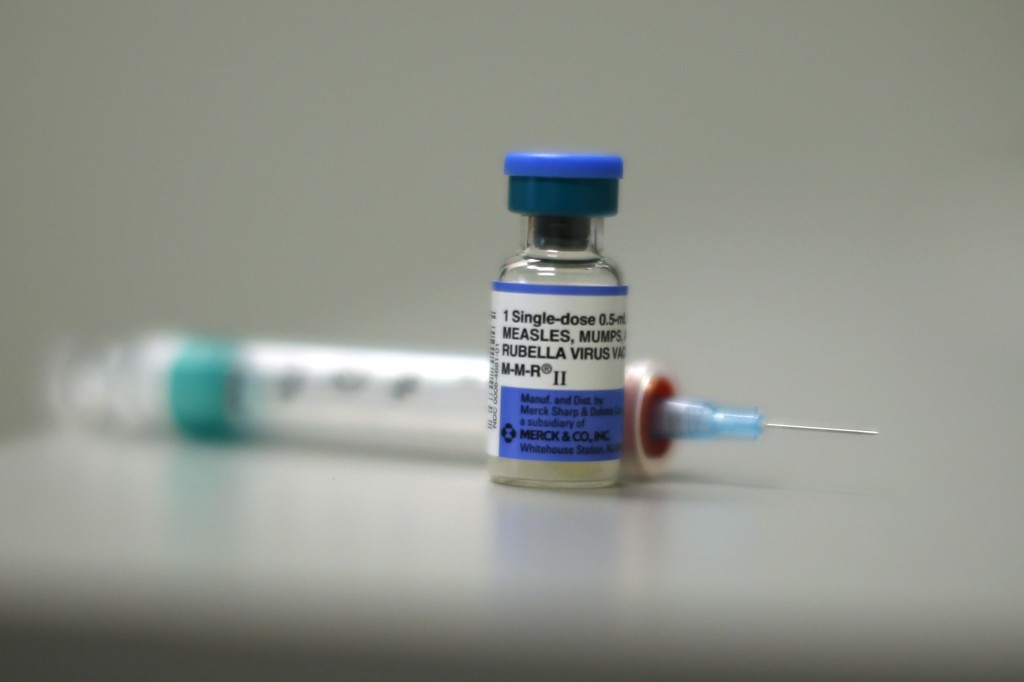
The landscape of vaccine policy in the United States is currently undergoing significant shifts as of early 2026, characterized by changes in federal leadership priorities and subsequent legal challenges.
Current Status of CDC Recommendations
As of March 5, 2026, the Centers for Disease Control and Prevention (CDC) has recently undergone a major shift in its advisory approach. Following a presidential memorandum, Acting CDC Director Jim O’Neill signed a decision memorandum in February 2026 to update the childhood immunization schedule.
While the specific details of these updates are being implemented, the core change involves a transition in how the federal government “recommends” versus “mandates” certain vaccinations.
- The 2026 Schedule: The American Academy of Pediatrics (AAP) released its 2026 immunization schedule, which notably maintains support for routine vaccinations.
- Insurance and Liability: Federal officials have clarified that despite changes in the categorization of these vaccines, insurance coverage and liability protections under the National Childhood Vaccine Injury Act will remain in effect for all vaccines currently on the CDC schedule.
Key Regulatory and Legal Developments
The policy environment is currently marked by a “push-and-pull” between federal updates and judicial oversight:
- Injunctions and Court Orders: A temporary court order issued in late February 2026 has partially blocked the enforcement of the newest childhood vaccine schedule changes. This legal “stay” means that for the immediate moment, the previous standards may still apply in several jurisdictions while the courts review the CDC’s new authority.
- Upcoming ACIP Meeting: The Advisory Committee on Immunization Practices (ACIP), the panel of experts that advises the CDC, is scheduled to meet on March 18–19, 2026. This meeting is expected to provide the first technical roadmap for how the new presidential directives will be integrated into clinical practice.
- Medical Community Response: There is a documented “disconnect” emerging between federal policy and clinical practice. Recent reports indicate that many pediatricians and healthcare providers are continuing to follow the traditional AAP guidelines rather than the modified federal recommendations, citing concerns over long-term public health outcomes.

Must-Try Cuisine in Turkey: A Complete Food Lover’s Guide
Food…

Kyrgyzstan in 2026: The Ultimate Central Asia Travel Guide
Tucked…

Exploring Taiwan: Beautiful Cities, Mountains, and Hidden Gems
Located…

The Ultimate Switzerland Itinerary: What to See, Do, and Experience
A…
Measles in 2026: Tracking the Surge and New Hotspots
Measles…

Women’s Day 2026: Hidden Stroke Risks You Should Know
International…
Comparison of Policy Changes
| Feature | Previous Policy (Pre-2026) | New Policy Direction (March 2026) |
|---|---|---|
| Federal Role | Strong federal mandates/recommendations. | Emphasis on “informed choice” and state-level autonomy. |
| Schedule Authority | CDC-led with heavy ACIP reliance. | Increased executive oversight via HHS/Presidential memo. |
| Insurance Coverage | Guaranteed for recommended vaccines. | Coverage maintained, but legal mechanisms are being “decoupled.” |
| School Mandates | Mostly tied to CDC recommendations. | Increasingly determined by individual state legislatures. |
Summary of Key Points
- Acting Leadership: New directives are being led by HHS and Acting CDC Director Jim O’Neill.
- Legal Stays: Court orders are currently limiting the full implementation of the 2026 schedule changes.
- March 18-19: This is the most important upcoming date for new technical guidance.
- Insurance Safety: Despite policy shifts, vaccines remain covered by insurance for the time being.
#VaccinePolicy #PublicHealth #CDCUpdate #HealthcareNews #USPolitics #BreakingNews2026 #Anslation #Carrerbook