
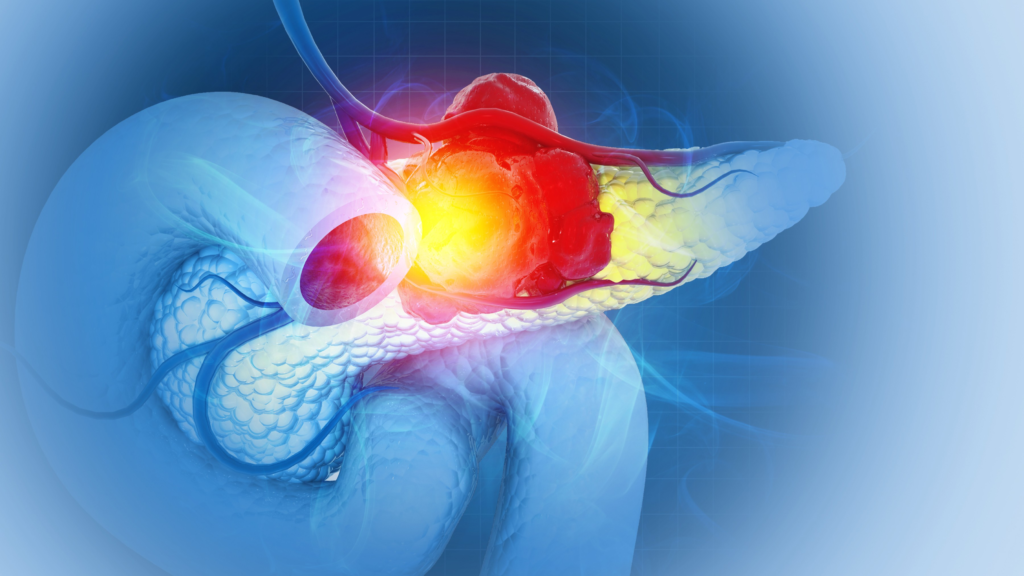
Pancreatic cancer is often described as one of the hardest cancers to treat, and for good reason. Many patients go through chemotherapy or targeted treatments only to find that the cancer stops responding. This happens because pancreatic tumours are incredibly good at adapting and surviving. Now, a new study has offered a glimmer of hope, revealing that a combination of three drugs can block tumour resistance in pancreatic cancer models.
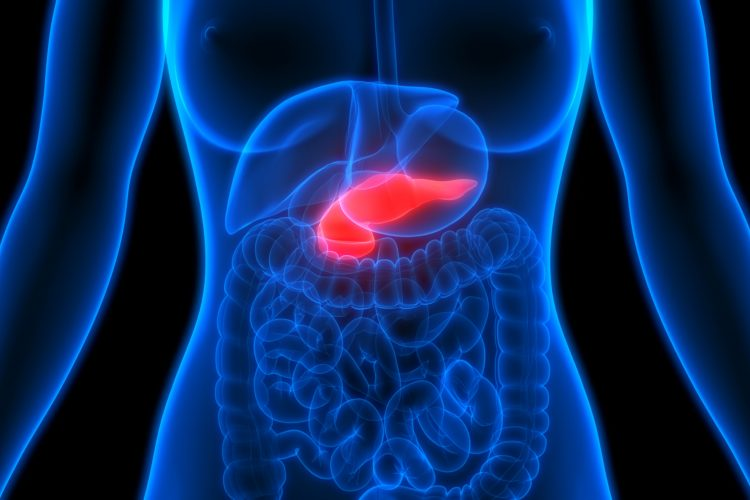
The pancreas plays an essential role in the body, helping with digestion and blood sugar control, but cancer in this organ is rarely caught early. Symptoms often appear only when the disease has already progressed, leaving doctors with fewer treatment options. On top of late diagnosis, pancreatic tumours tend to be biologically aggressive, which makes long-term control extremely difficult.
One of the biggest challenges doctors face is tumour drug resistance. In simple terms, cancer cells learn how to survive treatment. They change the way they use energy, switch on backup survival systems, or protect themselves within their surroundings. Over time, the very drugs designed to kill the cancer begin to lose their effect, allowing the disease to return or spread.
Instead of relying on a single medication, researchers took a different approach. They tested a three-drug combination, each designed to block a different survival strategy used by cancer cells. By attacking the tumour from multiple directions at once, the treatment made it much harder for the cancer to adjust and fight back.
In the study, the drug trio interfered with key signalling pathways that pancreatic cancer cells rely on to grow and survive. It also stopped the cells from changing their metabolism, a common trick cancers use to resist treatment. Because of this, the tumour cells stayed sensitive to therapy for longer, slowing their growth and limiting their ability to recover.
These results were seen in preclinical models, including lab-grown pancreatic cancer cells. Compared to standard treatments, the three-drug approach showed a stronger and more lasting effect, delaying the development of resistance. While these findings don’t yet prove the treatment will work in people, they offer an important proof of concept.
What makes this research especially encouraging is its focus on preventing resistance, not just killing cancer cells. Resistance is the main reason pancreatic cancer treatments fail, so stopping it before it begins could significantly improve outcomes. This strategy also reflects a growing trend in cancer care toward combination and precision therapies.
- Must-Try Cuisine in Turkey: A Complete Food Lover’s Guide
- Kyrgyzstan in 2026: The Ultimate Central Asia Travel Guide

- Exploring Taiwan: Beautiful Cities, Mountains, and Hidden Gems

- The Ultimate Switzerland Itinerary: What to See, Do, and Experience

- Measles in 2026: Tracking the Surge and New Hotspots
- Women’s Day 2026: Hidden Stroke Risks You Should Know

At the same time, it’s important to be realistic. This drug combination is not yet available to patients. It has not been tested in human clinical trials, and researchers still need to understand its safety, side effects, and proper dosage. Translating lab success into real-world treatment takes time and careful testing.
Even so, this discovery represents a meaningful step forward. For a disease that has seen few major treatment advances, finding a way to block tumour resistance could change how pancreatic cancer is treated in the future. While much work remains, studies like this bring cautious optimism to a field that urgently needs it.
Frequently Asked Questions ?
Disclaimer: This article is for informational purposes only and should not be considered medical advice. Always consult a qualified healthcare professional for medical guidance.
#PancreaticCancer #CancerResearch #HopeInScience #TumourResistance #MedicalInnovation #Oncology #HealthResearch