
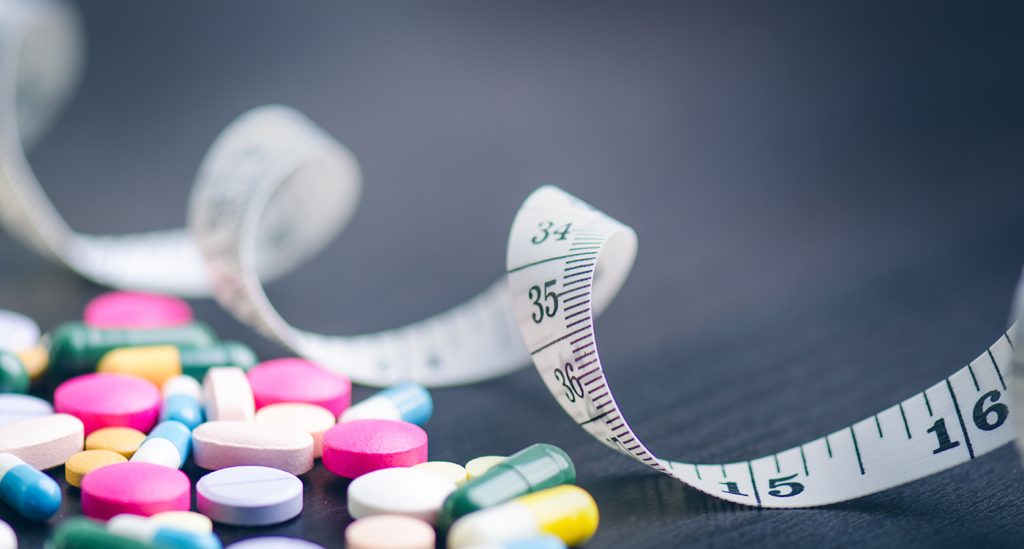
A Surge in Obesity Drug Development
The obesity drug market is entering a transformative phase in 2026. Pharmaceutical companies are rolling out a wave of innovative weight-loss medications, designed to target metabolic pathways more effectively than ever before. This surge is driven by the increasing prevalence of obesity worldwide and growing awareness of its associated health risks, including diabetes, heart disease, and stroke.
Experts predict that this year will be a pivotal moment for obesity treatment, as several new drugs not only aim to help patients shed pounds but also improve overall metabolic health.
What’s New in Weight-Loss Medications
Recent advancements have focused on GLP-1 receptor agonists and other hormone-based therapies. These drugs work by reducing appetite, improving insulin sensitivity, and promoting a feeling of fullness, making it easier for patients to manage caloric intake without drastic lifestyle changes.
Some of the most talked-about new pills hitting the market include:
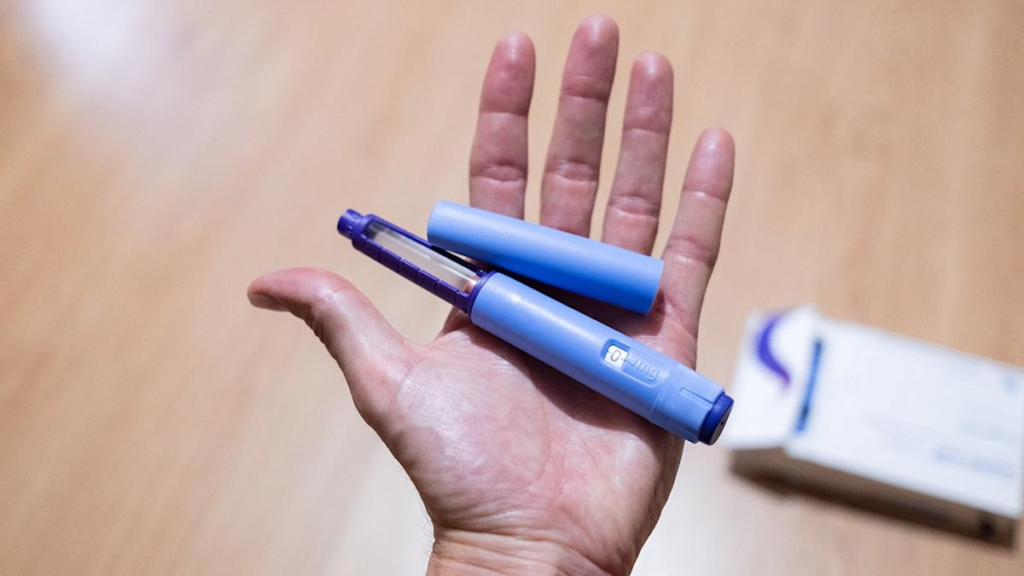
- Semaglutide 2.4 mg: Already making waves globally, this drug continues to show strong results in clinical trials, with significant weight reduction in patients with obesity.
- Tirzepatide: A dual GIP and GLP-1 receptor agonist, Tirzepatide promises superior efficacy by addressing multiple metabolic pathways simultaneously.
- Emerging Oral Pills: Several oral obesity medications are entering late-stage trials, offering easier administration options compared to injectable alternatives.
What This Means for Patients
The arrival of these new medications marks a shift in obesity management from primarily lifestyle-based interventions to medicalized treatment plans. Patients now have more options tailored to their metabolic profile, which could result in better outcomes for long-term weight management.
However, experts emphasize that these medications are most effective when combined with lifestyle changes, including a balanced diet, regular physical activity, and mental health support.
Industry Implications
The obesity drug market is expected to see unprecedented growth in 2026. Analysts predict billions in sales as demand rises and insurance coverage expands. Pharmaceutical companies are racing to secure market share, which could lead to more affordable options and wider accessibility for patients worldwide.
Additionally, the focus on obesity drugs highlights the importance of preventive healthcare and a shift toward personalized medicine, where treatments are designed to fit individual patient needs rather than a one-size-fits-all approach.
Looking Ahead
With so many new options available, 2026 could redefine how obesity is treated medically. Healthcare providers and patients alike will need to stay informed about emerging drugs, their benefits, and potential side effects to make the most of these advancements.
As the market evolves, one thing is clear: obesity treatment is entering a new era, and the coming year promises to be one of the busiest yet in the field of weight-loss medications.
Disclaimer: This content is for informational purposes only and should not replace professional medical advice. Patients should consult healthcare providers before starting any new medication.
#ObesityDrugs #WeightLoss2026 #NewPills #ObesityTreatment #HealthInnovation #GLP1 #Tirzepatide #Anslation #Carrerbook
LATEST POST :
- Must-Try Cuisine in Turkey: A Complete Food Lover’s Guide
- Kyrgyzstan in 2026: The Ultimate Central Asia Travel Guide
- Exploring Taiwan: Beautiful Cities, Mountains, and Hidden Gems
- The Ultimate Switzerland Itinerary: What to See, Do, and Experience
- Measles in 2026: Tracking the Surge and New Hotspots