
Spinal Muscular Atrophy (SMA) Type 1 is a rare and serious genetic disorder that affects the motor neurons—the nerve cells in the spinal cord that control muscle movement. This condition is inherited and often appears in infants, sometimes within the first six months of life. SMA Type 1 is also known as Werdnig-Hoffmann disease and is considered the most severe form of SMA
Causes of SMA Type 1
SMA is caused by a mutation in the SMN1 gene, which is responsible for producing the survival motor neuron (SMN) protein. This protein is essential for muscle function and movement. Without enough SMN protein:
- Motor neurons degenerate,
- Muscles gradually weaken,
- Children may struggle with breathing, swallowing, and mobility.
SMA Type 1 is inherited in an autosomal recessive pattern, meaning both parents must carry a copy of the defective gene for a child to be affected.
Symptoms of SMA Type 1
Symptoms usually appear before 6 months of age and may include:
- Severe muscle weakness in the arms and legs
- Difficulty holding up the head
- Trouble swallowing or sucking (feeding difficulties)
- Limited movement
- Breathing challenges, sometimes requiring support
Due to the rapid progression, early diagnosis is crucial. Without treatment, SMA Type 1 can significantly affect life expectancy, but new therapies have improved outcomes in recent years.
Diagnosis
Doctors may diagnose SMA Type 1 through:
- Genetic testing to identify SMN1 gene mutations
- Physical examinations showing poor muscle tone
- Electromyography (EMG) and nerve conduction tests
- Family history of SMA or carrier status
Treatment Options
While there is no cure, treatments can slow disease progression and improve quality of life:
- Gene Therapy (Zolgensma) – replaces the defective SMN1 gene.
- SMN-Enhancing Drugs (Spinraza, Evrysdi) – help increase SMN protein production.
- Supportive Care – physical therapy, respiratory support, and nutritional support.
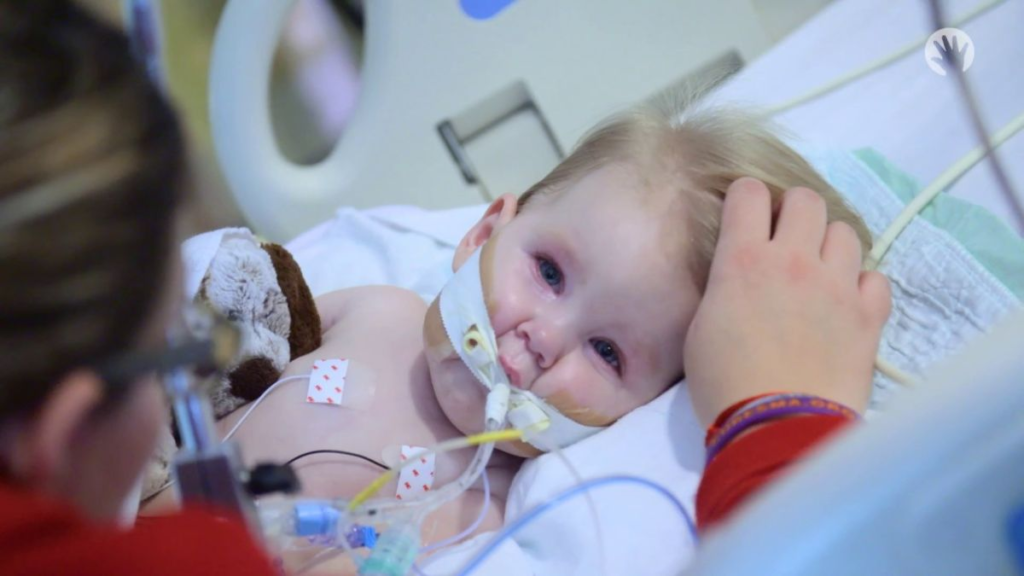
Early intervention is critical to maximize mobility and life expectancy.
Jesy Nelson’s Family Story
Former Little Mix star Jesy Nelson recently shared that her twins are affected by SMA Type 1. Her openness has helped raise awareness of this rare condition, showing the emotional and physical challenges families face. SMA Type 1 is rare, but advocacy and understanding are growing thanks to public figures like Jesy.
Key Takeaways
- SMA Type 1 is a severe, genetic motor neuron disease affecting infants.
- Caused by mutations in the SMN1 gene, inherited from both parents.
- Early diagnosis and treatment are crucial to improve outcomes.
- Public stories like Jesy Nelson’s help increase awareness and support for affected families.
Disclaimer:
The information provided in this article is for educational and informational purposes only and should not be considered medical advice. Always consult a qualified healthcare professional for diagnosis, treatment, or guidance regarding any medical condition, including SMA Type 1. The experiences shared, including those of public figures, are personal and may not reflect every individual case.
#SMAtype1 #SpinalMuscularAtrophy #GeneticDisorder #RareDiseaseAwareness #JesyNelson #ChildHealth #InfantCare #MotorNeuronDisease #SMAAwareness #RareCondition #GeneticHealth #ParentingChallenges #SMAResearch #HealthEducation #MedicalAwareness #Anslation #Carrerbook