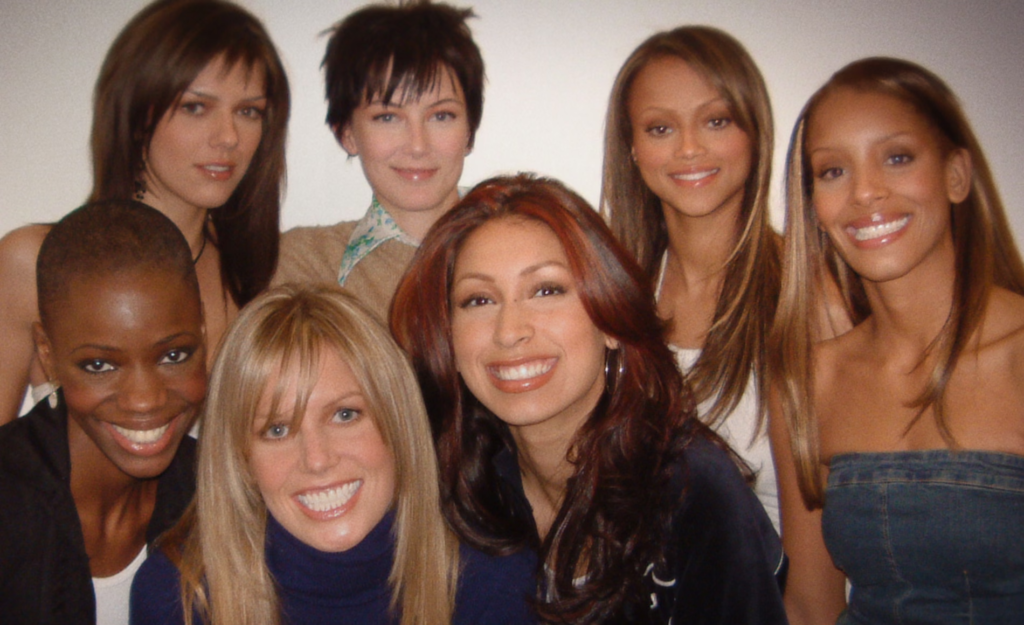
For many millennials, America’s Next Top Model was appointment TV, the show that made Tyra Banks a household name. Running from 2003 to 2013, it promised glamour, high-stakes photoshoots, and the chance for ordinary women to break into modeling. But Netflix’s three-part docuseries, Reality Check: Inside America’s Next Top Model, paints a starkly different picture—one of body-shaming, humiliation, and toxic treatment.
The series features interviews with Banks, J Alexander, Jay Manuel, Nigel Barker, Ken Mok, and dozens of former contestants. It exposes a show that claimed to empower women but often upheld cruel beauty standards. Contestants were weighed on camera, mocked for their bodies, and put in photoshoots designed to humiliate. Giselle, an African-Latina cast member, was ridiculed for her “wide ass”, while others had to pose as ethnic stereotypes, murder victims, or even the homeless.
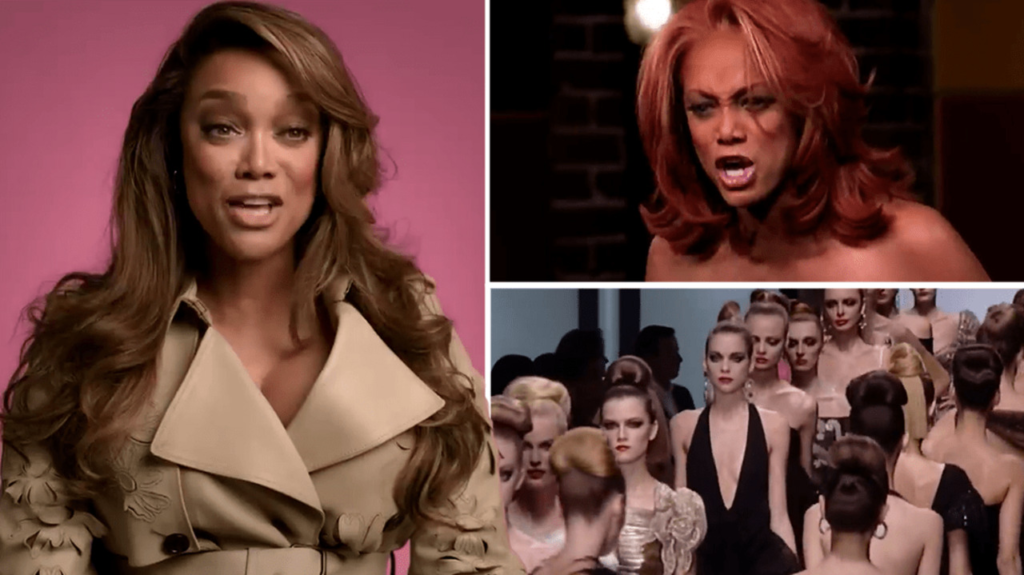
Perhaps most disturbing is the psychological and sexual pressure placed on participants. One contestant, Shandi, recounts being sexually compromised while filmed, unable to give consent, while production refused to intervene. Others were pushed to undergo dental procedures or participate in traumatizing shoots, all in the name of ratings and viral content.
Banks presents herself as a trailblazer, claiming she democratized fashion, but the series shows a different reality: a world where manipulation, distress, and exploitation were normalized. Even when contestants raised concerns, production often dismissed them or turned moments into entertainment.
Despite some reflection from judges, the docuseries shows that most of the harm went unacknowledged, and Banks often deflects responsibility, blaming audiences for demanding drama: “You guys were demanding it.” Her attempts to portray gratitude and growth come off as self-serving and ominous, especially when framed against the suffering of contestants.
Reality Check captures the lasting impact on contestants, many of whom are now happier and healthier but remain clear-eyed about the show’s damage. For viewers, it’s a reminder that behind the glamour and viral moments, reality TV often carries a dark and uncomfortable truth.
Latest Notes
- The docuseries has exclusive interviews with Tyra Banks, J Alexander, Jay Manuel, Nigel Barker, Ken Mok, and dozens of former contestants.
- Shows the impact of extreme makeovers, high-pressure photoshoots, and body-shaming on contestants.
- Highlights incidents of psychological stress, forced participation, and manipulation for TV drama.
- Reveals controversial photoshoots, including contestants posing as ethnic stereotypes or violent scenarios.
- Explores sexual and consent-related concerns in some episodes, with production sometimes ignoring red flags.
- Emphasizes the disconnect between Tyra Banks’ public image and the experiences of contestants.
- Docuseries critiques reality TV culture, where vulnerability is commodified and entertainment is prioritized over wellbeing.
- Reflects on how Gen Z and modern audiences view past reality TV differently, sparking conversations about ethics and accountability.
FAQs
#RealityCheck #AmericasNextTopModel #TyraBanksExposed #Carrerbook #Anslation #NetflixDocuseries #RealityTVDrama #BehindTheScenes #BodyShaming