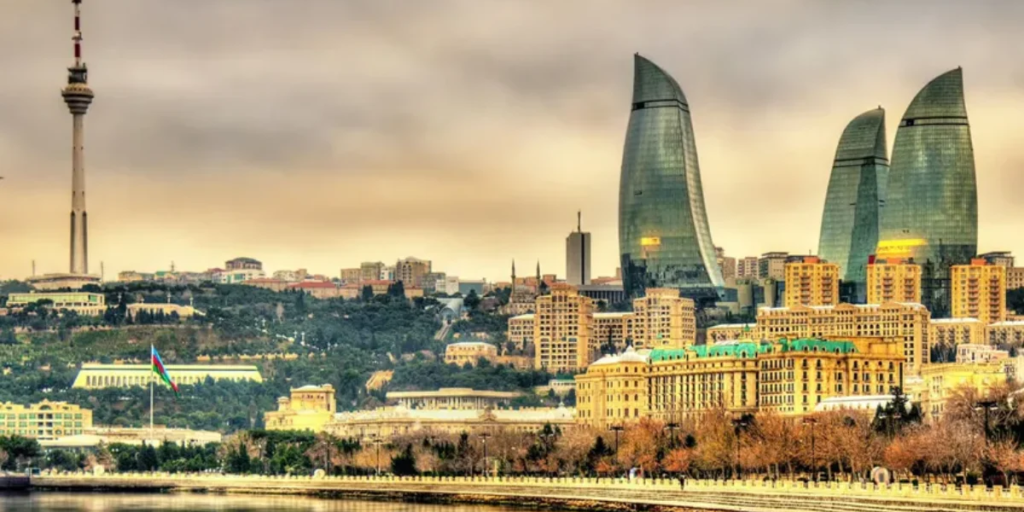
Azerbaijan is often described as the place where East meets West, but that phrase barely captures its complexity. This is a country where futuristic skyscrapers rise behind ancient stone walls, where tea is served with jam instead of sugar, and where fire has shaped both the landscape and national identity.
If you are looking for a destination that feels different from mainstream Europe yet remains accessible and welcoming, Azerbaijan offers a compelling mix of culture, cuisine, and lesser-known treasures waiting to be explored.
Understanding Azerbaijan’s Cultural Identity
Azerbaijan sits at the crossroads of Europe and Asia, influenced over centuries by Persian, Turkish, Russian, and Silk Road traditions. This layered history is visible everywhere — in architecture, language, food, and daily life.
Baku: The Modern and the Medieval
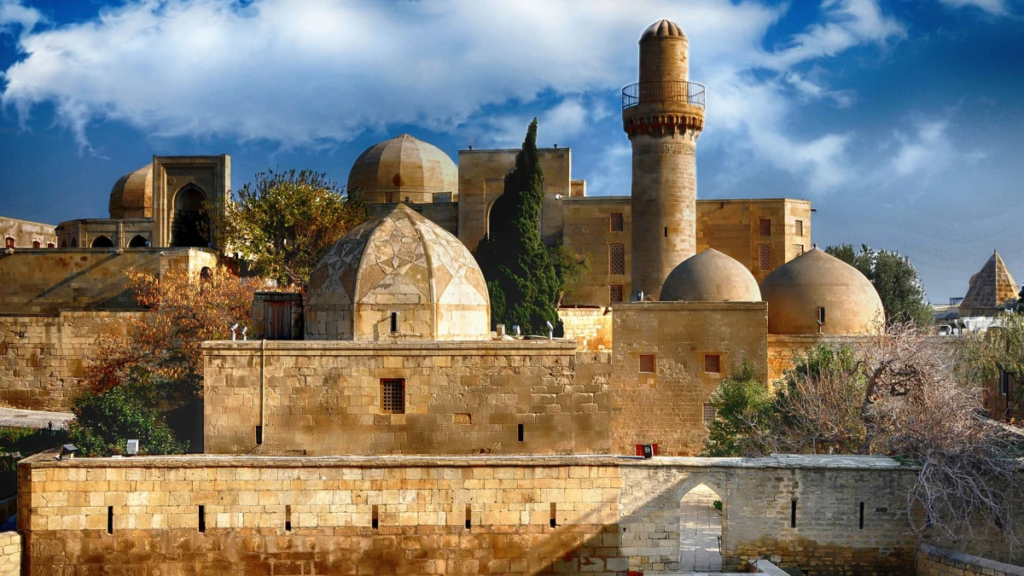
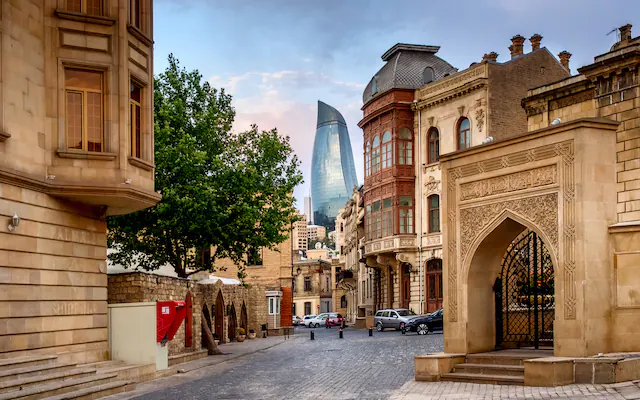
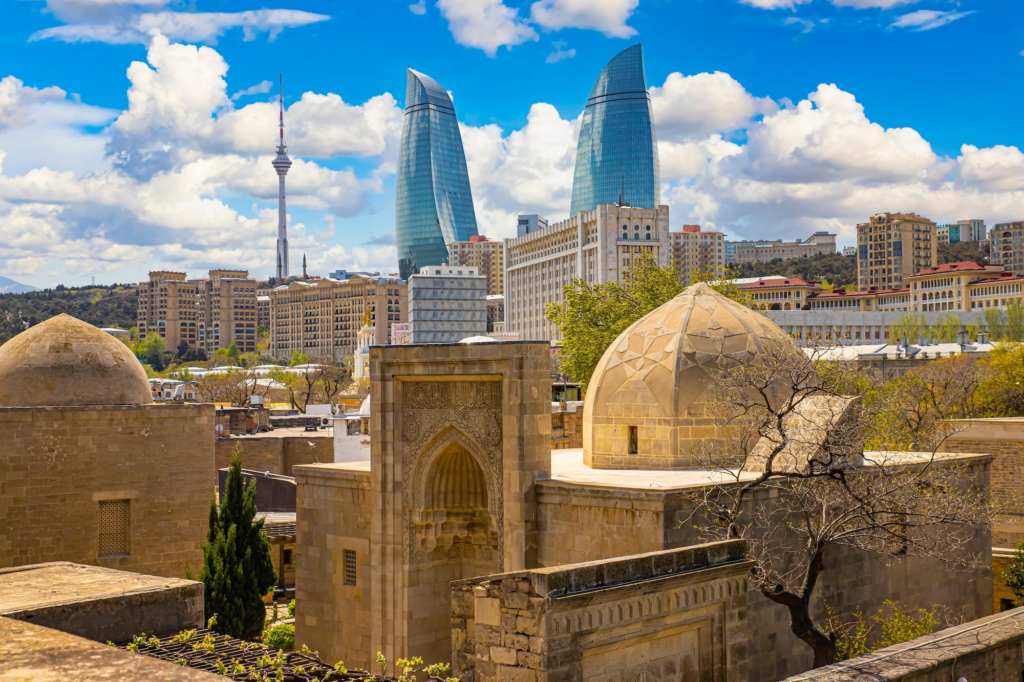
The capital city, Baku, perfectly reflects this dual identity. In the Old City, known as Icherisheher, narrow cobblestone streets wind around centuries-old stone buildings. The iconic Maiden Tower stands as a mysterious symbol of the city’s past, while the Palace of the Shirvanshahs reveals the grandeur of medieval Azerbaijani rulers.
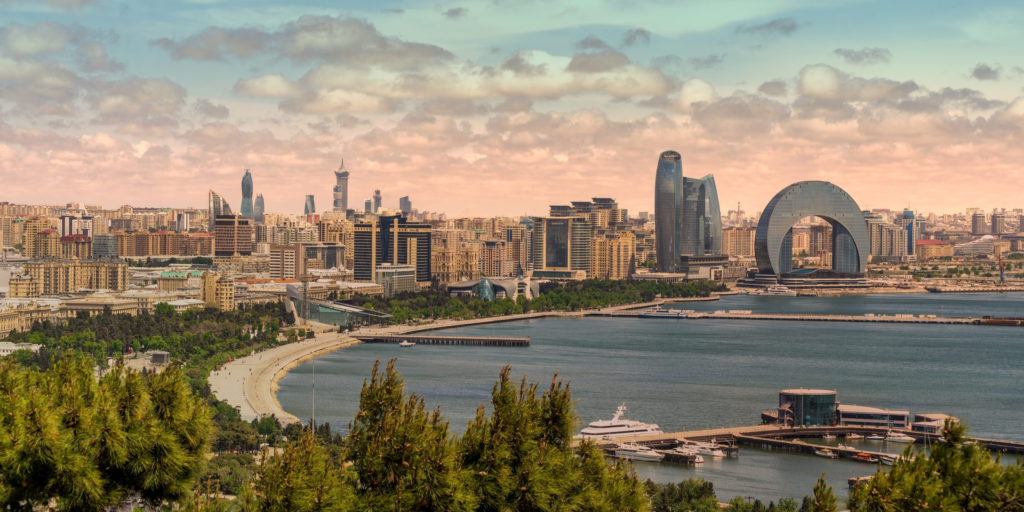
Just minutes away, the skyline shifts dramatically. The curved glass structures of the Flame Towers light up at night, representing the country’s nickname, the “Land of Fire.”
This contrast between ancient and modern defines Azerbaijan’s character.
The Land of Fire
Fire holds deep cultural and historical meaning here. Natural gas seeping through the earth has fueled flames for centuries.
One of the most fascinating places to witness this phenomenon is Yanar Dag, where a hillside has been burning continuously for decades. Nearby, the Ateshgah of Baku stands as a testament to ancient Zoroastrian worship practices centered around fire.
These sites remind visitors that Azerbaijan’s identity is rooted in natural elements as much as in human history.
Azerbaijani Cuisine: A Flavorful Journey
Food in Azerbaijan is not just nourishment; it is hospitality. Meals are long, generous, and meant to be shared.
Traditional Dishes You Must Try
- Plov: The national dish, made with fragrant rice, saffron, herbs, dried fruits, and tender meat. Each region has its own variation.
- Dolma: Grape leaves or vegetables stuffed with seasoned meat and rice.
- Kebabs: Grilled meats served with fresh herbs and lavash bread.
- Dushbara: Tiny dumplings served in broth.
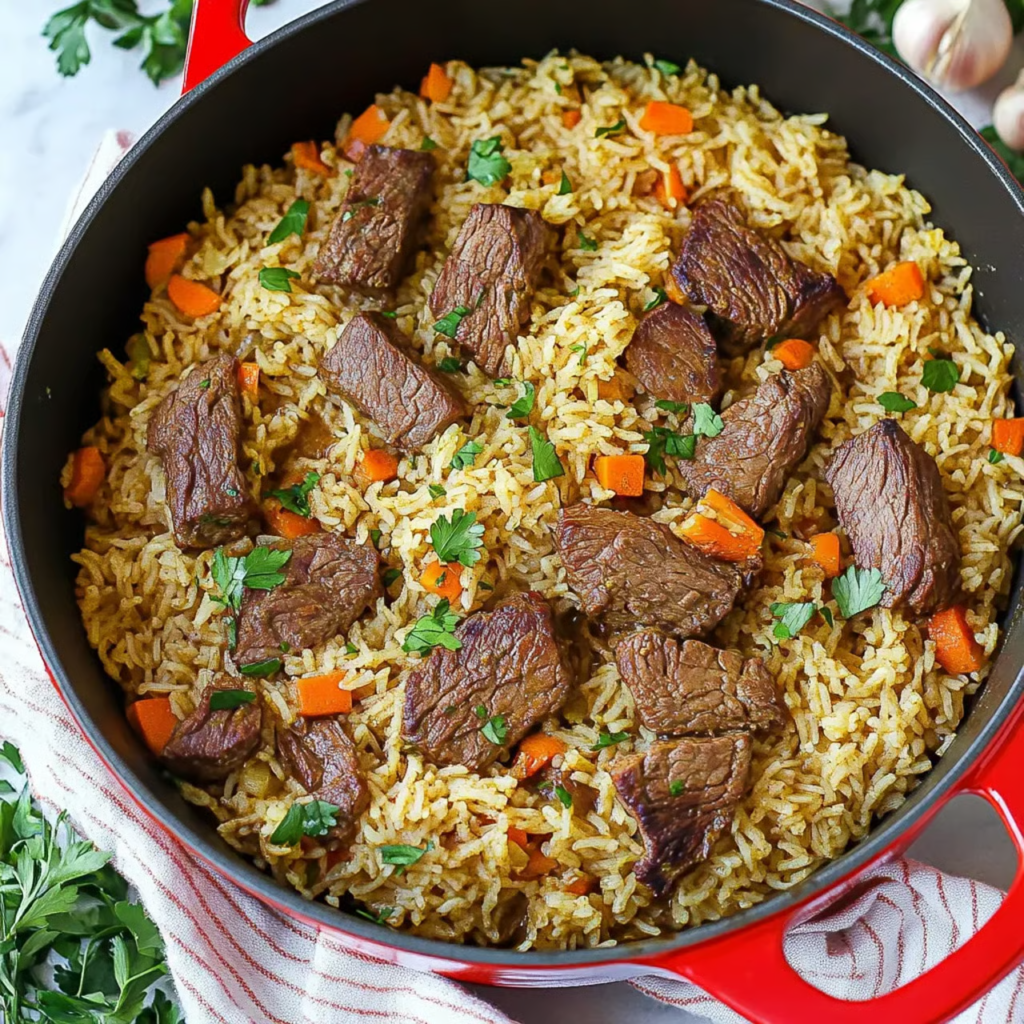
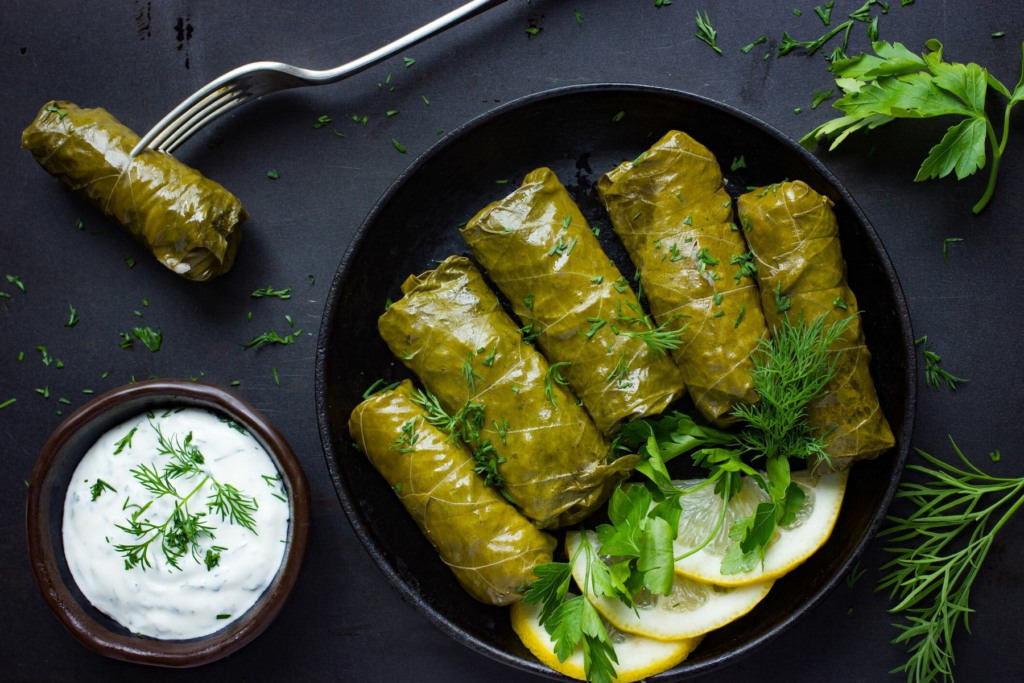
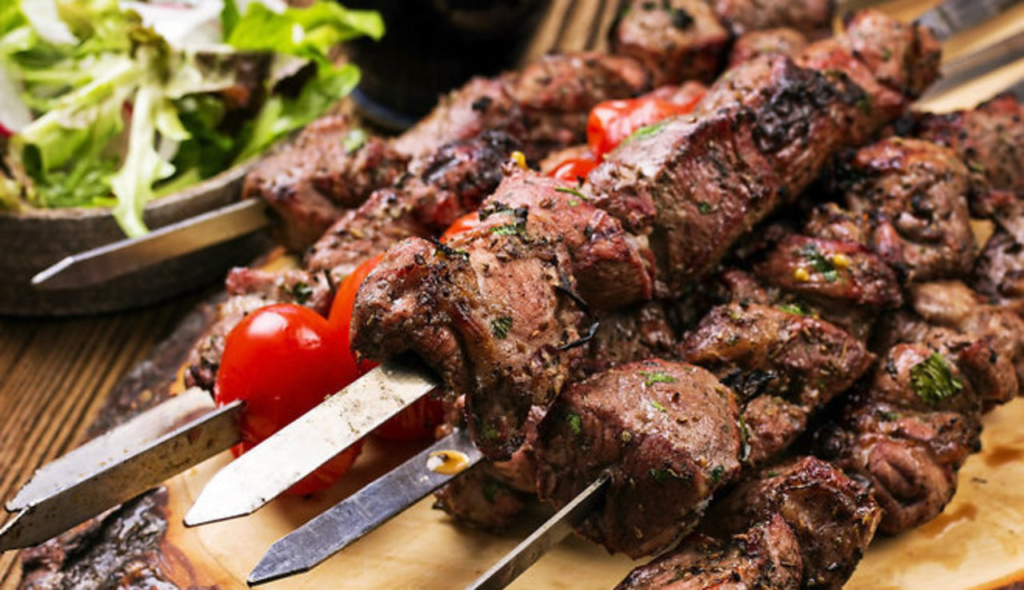
Tea culture is central to social life. Black tea is served in pear-shaped glasses, often accompanied by jam. Instead of mixing sugar into the tea, locals take a small bite of jam and sip the tea afterward.
Dining in Azerbaijan feels intimate and heartfelt. Whether in a traditional restaurant or a family home, food is always offered generously.
Beyond Baku: Hidden Gems Worth Discovering
While Baku draws most international attention, Azerbaijan’s beauty truly unfolds when you venture beyond the capital.
Gobustan’s Ancient Art
The Gobustan National Park is home to thousands of prehistoric rock carvings. These petroglyphs tell stories of early human life, hunting scenes, and rituals dating back thousands of years. The surrounding landscape, dotted with mud volcanoes, feels almost otherworldly.
Sheki’s Architectural Charm
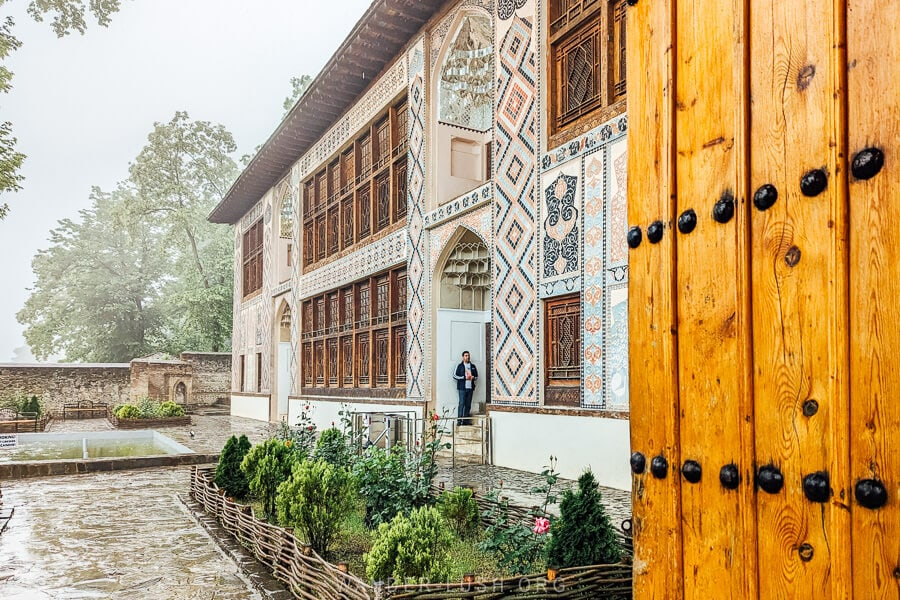
The mountain town of Sheki offers a quieter, more traditional experience. The stunning Palace of the Sheki Khans is famous for its intricate stained glass windows and detailed craftsmanship, created without nails or glue.
Walking through Sheki’s streets feels like stepping back in time.
Lahij’s Craft Heritage
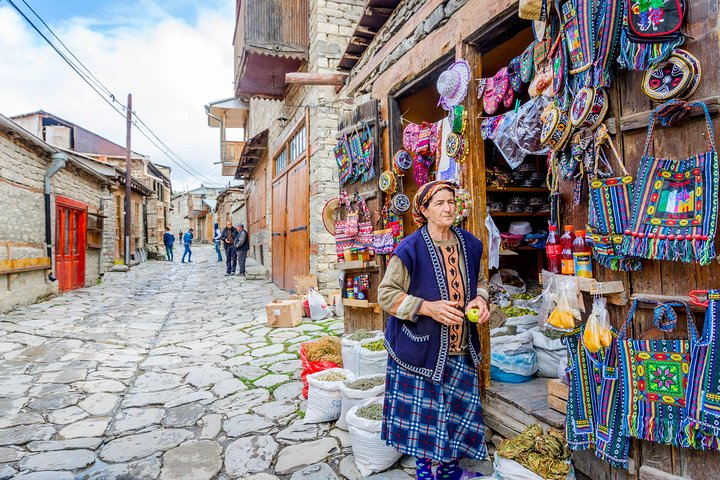
In the Caucasus Mountains lies Lahij, a small village known for its copper craftsmanship. Cobblestone lanes and artisan workshops make it a perfect stop for travelers seeking authenticity.
Nature and Landscapes
Azerbaijan surprises many visitors with its geographical diversity. Within a relatively small country, you can experience:
- Snow-covered mountains in the Greater Caucasus
- Semi-desert landscapes near Baku
- Lush forests in the north
- The shores of the Caspian Sea
The Caspian Sea coastline offers peaceful seaside views, while mountain regions provide hiking and fresh alpine air.
Cultural Etiquette and Local Insights
Azerbaijanis are known for their hospitality. Guests are treated with respect and warmth. It is common to be offered tea multiple times a day.
When visiting religious or rural areas, modest clothing is appreciated. Learning a few basic Azerbaijani greetings can also leave a positive impression.
English is spoken in many tourist areas, but outside major cities, communication may require patience and creativity.
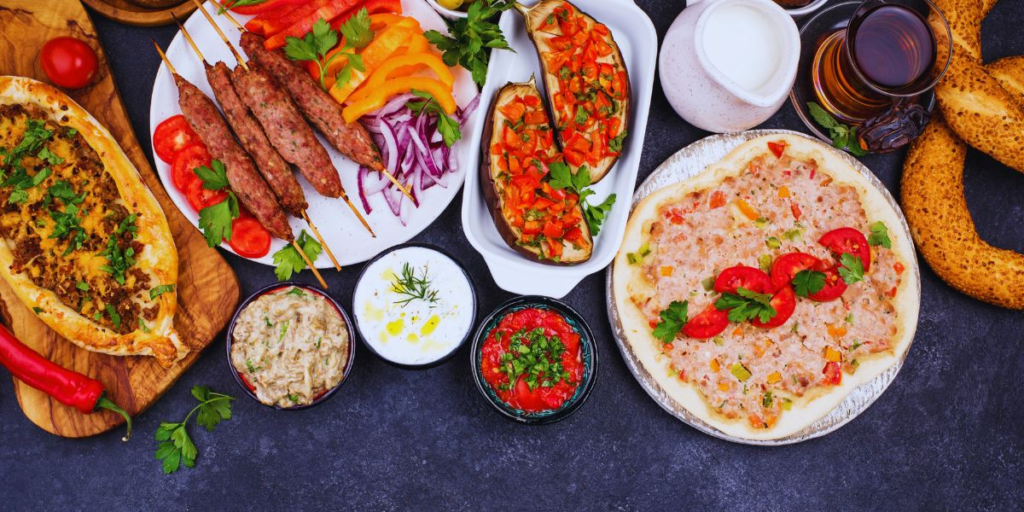
Must-Try Cuisine in Turkey: A Complete Food Lover’s Guide
Food in Turkey is not just something you eat. It is something you share, talk…
Why Azerbaijan Still Feels Undiscovered
Despite its rich history and striking landscapes, Azerbaijan remains less crowded than many European destinations. This gives travelers a chance to explore without overwhelming tourist infrastructure.
You can sit in a centuries-old caravanserai, walk along a modern seaside boulevard, and hike through quiet mountain villages — all within one trip.
That sense of discovery is part of its appeal.
Final Thoughts
Azerbaijan is not a destination that shouts for attention. Instead, it gradually reveals itself through conversations over tea, stories carved in ancient stone, and landscapes shaped by fire and wind.
It is a country of contrasts that somehow feel harmonious — old and new, East and West, tradition and ambition. If you are open to exploring beyond typical tourist routes, Azerbaijan offers depth, warmth, and authenticity that linger long after your journey ends.
Travel regulations, visa requirements, local laws, transportation schedules, and seasonal conditions may change. Always verify official information before planning your trip. Cultural norms and experiences may vary depending on region and personal interactions.
#Azerbaijan #Baku #LandOfFire #CaucasusTravel #VisitAzerbaijan #SilkRoad #AzerbaijanCuisine #HiddenGems #CaspianSea #TravelGuide #Anslation #Carrerbook