
Introduction
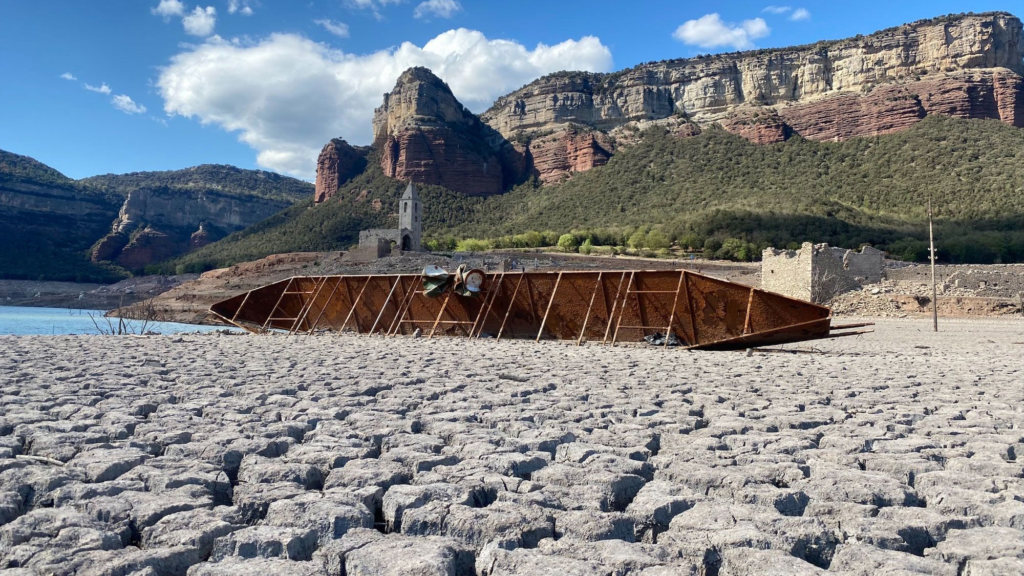
Spain faces a persistent and evolving water scarcity crisis that affects its environment, economy, and society. Although periodic rains and storms can temporarily boost water reserves, long-term trends show structural deficits in water availability and rising pressure on freshwater resources — particularly in the southern and eastern regions. This challenge is driven by climatic, economic, and management factors that interact to make water scarcity one of the country’s foremost environmental issues.
Overview of the Water Situation in Spain
Spain’s climate varies considerably, but large parts of the country — especially the Mediterranean and southern interior — are inherently dry. Historically, rainfall patterns and natural water availability have been uneven and episodic, with long dry spells interspersed with intense but short-lived seasonal rains. These characteristics have been exacerbated by modern pressures such as population growth, agricultural demand, and climate change.
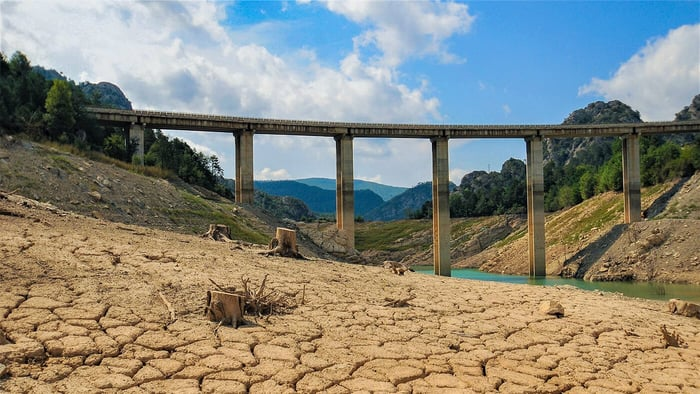
- Reservoir levels frequently fluctuate well below historical averages, notably in regions like Andalusia, Murcia, and the Levante.
- Agriculture consumes roughly 80 % of Spain’s water resources, making efficient water use in farming a core factor in overall scarcity dynamics.
- Urban and industrial demands are increasing alongside tourism and demographic growth.
Primary Causes of Water Scarcity
A. Climate Change and Drought
Climate change is a fundamental driver of Spain’s water scarcity. Rising average temperatures increase water loss through evapotranspiration while altering precipitation patterns — producing longer dry spells and more intense storms. Certain Mediterranean regions now have rainfall well below long-term norms, and drought cycles are becoming more frequent and severe.
B. Structural and Management Issues
Beyond natural factors, institutional and infrastructural limitations amplify scarcity:
- Aging water infrastructure sees a high percentage of water lost to leaks before delivery to users. Some regions lose up to 40 % of potable water due to old, inefficient systems.
- Fragmented governance across multiple regional authorities creates coordination challenges in planning and investment.
- Inadequate investment has left networks unmodernized and unable to cope with contemporary pressures. Spain needs tens of billions of euros to modernize systems.
C. Intensive Agricultural Use
Irrigated agriculture — particularly for water-intensive crops — remains the chief water consumer in Spain. Expanding irrigation areas and insufficiently efficient irrigation technology worsen the imbalance between water supply and demand. This overdependence on irrigation water also stresses aquifers and surface sources.
D. Population Growth & Tourism
Population increases and high tourism levels — especially in coastal Catalonia, the Balearic Islands, and Andalusia — place extra demand on potable water supplies, particularly during summer peak seasons.
Trends and Patterns
Regional Variation
Water scarcity is uneven across Spain:
- South and Southeast (Andalusia, Murcia, Alicante): Chronic shortages and desertification risk are highest here given low rainfall and heavy agricultural and urban demands.
- Eastern Mediterranean Coast (Segura Basin): Some areas undergo integrated water management experimentation given the severity of scarcity.
- Canary Islands: Insular geography limits natural freshwater availability, making desalination and reuse essential.
Hydrological Extremes
Spain experiences both prolonged droughts and intense rainfall events in the same years — a pattern becoming more pronounced with climate change. These extremes stress water systems by drying reservoirs and causing rapid runoff during downpours that fails to replenish underground aquifers effectively.
Impacts of Water Scarcity
Environmental
- Aquifer depletion: Lower water tables and saline intrusion in coastal aquifers.
- Loss of biodiversity: Rivers with reduced flows experience habitat degradation.
- Soil degradation: Desertification risk is increasing over large areas of the southeast.
Economic
- Agricultural losses: Reduced irrigation water affects crop yields and economic stability in farming regions.
- Tourism pressure: Water shortages can constrain tourism development, particularly in summer.
Social
- Water restrictions during droughts can affect domestic use.
- Lower access to sufficient clean water also carries public health risks and increases social tension over allocation.
Solutions and Strategic Responses
A. Water Infrastructure Investment
Modernizing pipelines, reservoirs, treatment plants, and digital monitoring systems is essential. Experts estimate that Spain needs to dramatically boost annual investment in water infrastructure — possibly tripling current levels — to build resilience by 2030.
B. Desalination
Spain is a European leader in desalination technology. Over 10 % of national water consumption comes from desalination plants, particularly in coastal areas and islands. While energy-intensive, desalination provides a drought-proof supply source.
C. Water Reuse and Recycling
Reclaiming treated wastewater for agricultural, industrial, and even indirect potable use reduces pressure on freshwater sources. Reuse systems are expanding and can be part of circular water management strategies.
D. Agricultural Efficiency
Improving irrigation efficiency through advanced technologies (e.g., drip irrigation, real-time sensors) and crop choices with lower water requirements can significantly reduce agricultural water use.
E. Policy and Governance Reform
Integrated water resource management — including coordinated planning among regional authorities — is necessary to allocate water fairly and sustainably. Investment incentives, pricing reforms, and long-term planning help align supply with demand sustainably.
F. Public Awareness and Conservation
Reducing water waste at the household and industrial level through public campaigns and incentives increases overall conservation and delays scarcity impacts.
Looking Forward
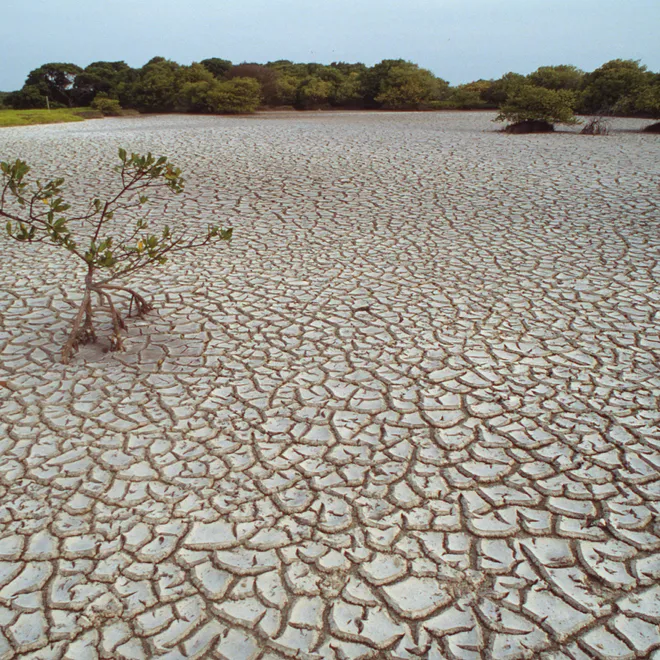
Spain’s water scarcity challenge is not static but increasingly shaped by climate change and socio-economic shifts. While short-term precipitation can temporarily boost reservoirs, long-term solutions require structural reform, significant investment, and innovation in water management. Expanded use of desalination, reuse technologies, agricultural transformation, and robust policy frameworks are central to building resilience and ensuring secure access to water for future generations.
#WaterScarcity #ClimateChange #Drought #WaterManagement #WaterSecurity #ClimateResilience #Desalination #WaterReuse #AgricultureAndWater #WaterInfrastructure #WaterConservation #Anslation #Carrebook