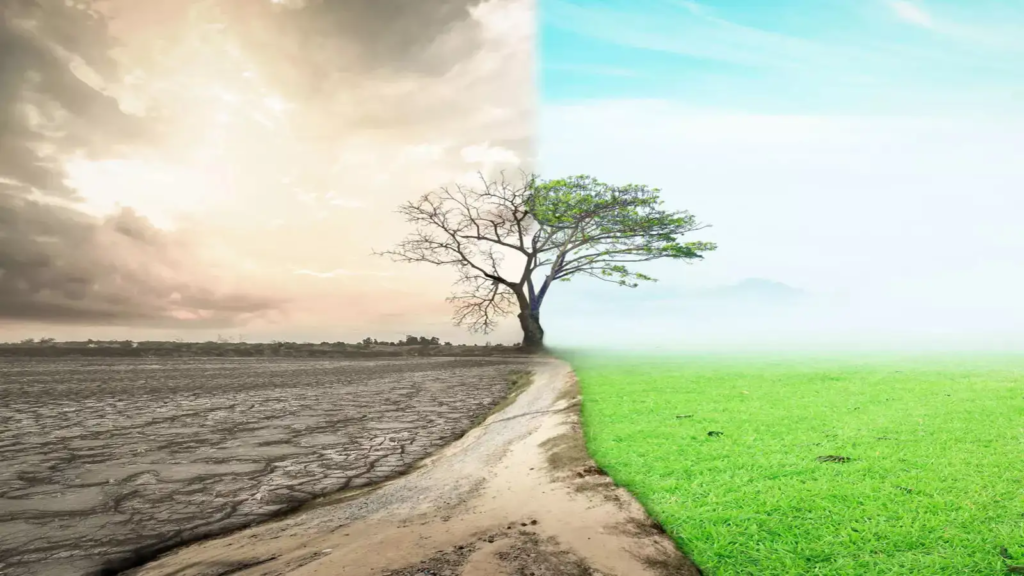
Water stress is rapidly emerging as one of the most serious challenges facing the Western United States, with growing implications for agriculture, food security, and economic stability. Prolonged droughts, declining snowpack, over-extraction of groundwater, and climate change are placing unprecedented pressure on the region’s water resources. As the West produces a significant share of the nation’s fruits, vegetables, and nuts, the question is no longer if water scarcity will impact food systems—but how severe the consequences will be.
Understanding Water Stress in the Western US
Water stress occurs when water demand exceeds available supply or when poor water quality limits its use. States such as California, Arizona, Nevada, Utah, and New Mexico are among the most affected due to arid climates and heavy agricultural dependence on irrigation.
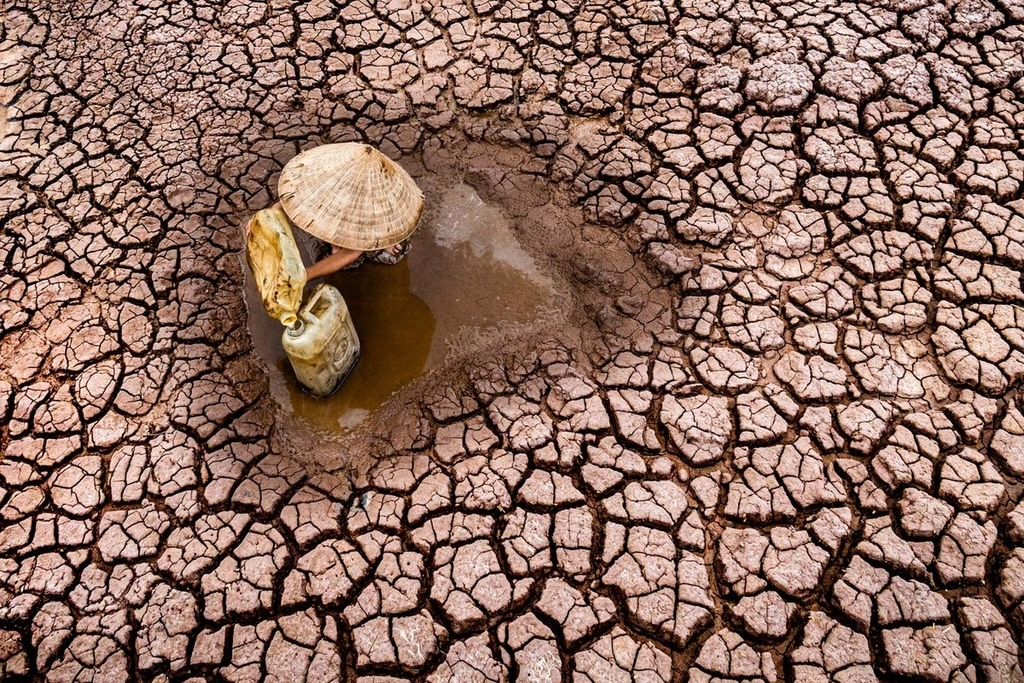
Key drivers of water stress include:
- Persistent drought conditions lasting decades in some regions
- Reduced snowpack in the Rocky Mountains and Sierra Nevada, limiting river flows
- Overreliance on groundwater, much of which is being depleted faster than it can recharge
- Rising temperatures, increasing evaporation and crop water demand
The Colorado River Basin, which supplies water to nearly 40 million people and millions of acres of farmland, is under particular strain, with reservoir levels at historic lows.
Why Food Systems Are at Risk
Agriculture accounts for approximately 70–80% of water use in the Western US. The region is essential to national food supply chains, producing:
- Over 90% of US almonds, lettuce, broccoli, and processing tomatoes
- A large share of fruits, vegetables, and dairy consumed nationwide
As water becomes scarcer, farmers are facing difficult choices—reducing crop acreage, switching to less water-intensive crops, or leaving land fallow altogether. These changes can directly affect food availability, prices, and rural employment.
Impacts on Crop Production
| Impact Area | Consequence |
|---|---|
| Irrigation limits | Lower crop yields |
| Groundwater restrictions | Reduced planting areas |
| Crop switching | Decline in high-value but water-intensive crops |
| Rising costs | Higher food prices for consumers |
Without adequate water, even the most advanced farming technologies cannot fully compensate for lost supply.
Climate Change as a Force Multiplier
Climate change intensifies water stress by making droughts longer, hotter, and more unpredictable. Rainfall patterns are shifting, and extreme heat events are becoming more frequent, increasing crop failure risks. Scientists warn that the Western US is experiencing a “megadrought”, one of the worst in at least 1,200 years.
These climatic shifts reduce the reliability of traditional water systems and challenge long-standing agricultural planning models.
Economic and Social Consequences
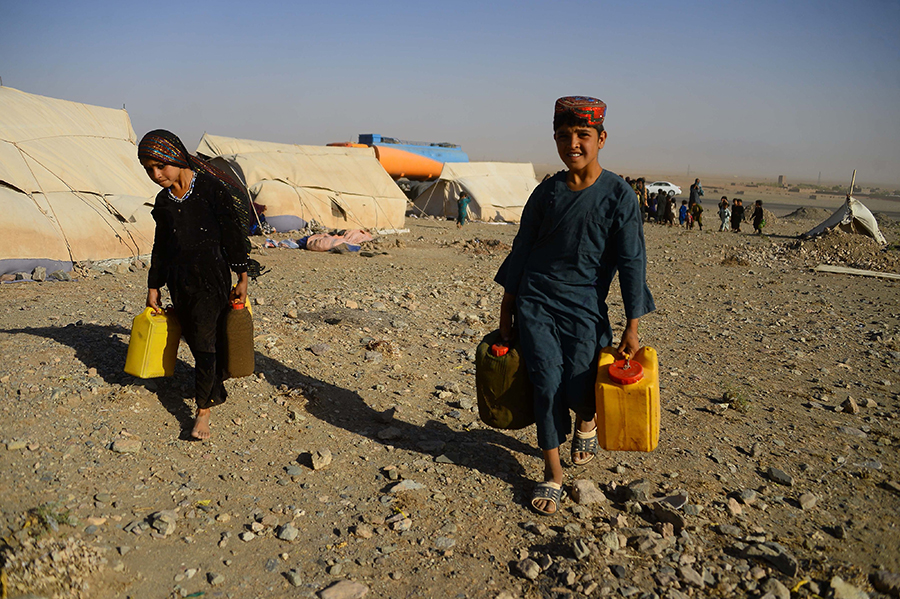
The potential food system crisis extends beyond farms:
- Rising food prices due to lower domestic production
- Job losses in agricultural communities
- Increased dependence on food imports, raising supply-chain vulnerability
- Heightened water conflicts between states, cities, and farmers
Low-income households are often the most affected, as they spend a higher share of income on food and utilities.
Is a Full-Scale Crisis Inevitable?
While the risks are serious, a total collapse is not inevitable. Several strategies could help mitigate the crisis:
- Water-efficient irrigation systems such as drip irrigation
- Regenerative and climate-smart agriculture
- Stronger groundwater management policies
- Crop diversification and drought-resistant varieties
- Improved water recycling and desalination for non-agricultural uses
However, experts agree that policy reform, technological adoption, and long-term planning must accelerate to prevent widespread disruption.
Conclusion: Water stress poses a clear and growing threat to food systems in the Western United States. Without decisive action, shrinking water supplies could undermine agricultural productivity, raise food prices, and destabilize rural economies. The coming decade will be critical in determining whether the region adapts successfully—or faces a prolonged food and water crisis driven by scarcity.
#WaterStress #FoodSecurity #WesternUS #WaterCrisis #ClimateChange #Drought #Agriculture #SustainableFarming #WaterScarcity #FoodSystems #Anslation #carrerbook
📌 LATEST POST:
- Must-Try Cuisine in Turkey: A Complete Food Lover’s Guide
- Kyrgyzstan in 2026: The Ultimate Central Asia Travel Guide
- Exploring Taiwan: Beautiful Cities, Mountains, and Hidden Gems
- The Ultimate Switzerland Itinerary: What to See, Do, and Experience
- Measles in 2026: Tracking the Surge and New Hotspots
- Women’s Day 2026: Hidden Stroke Risks You Should Know
- Breast Cancer in India Doubles Since 1990: New Global Study
- Galaxy S26 Ultra Is Here: Everything You Need to Know