Overview
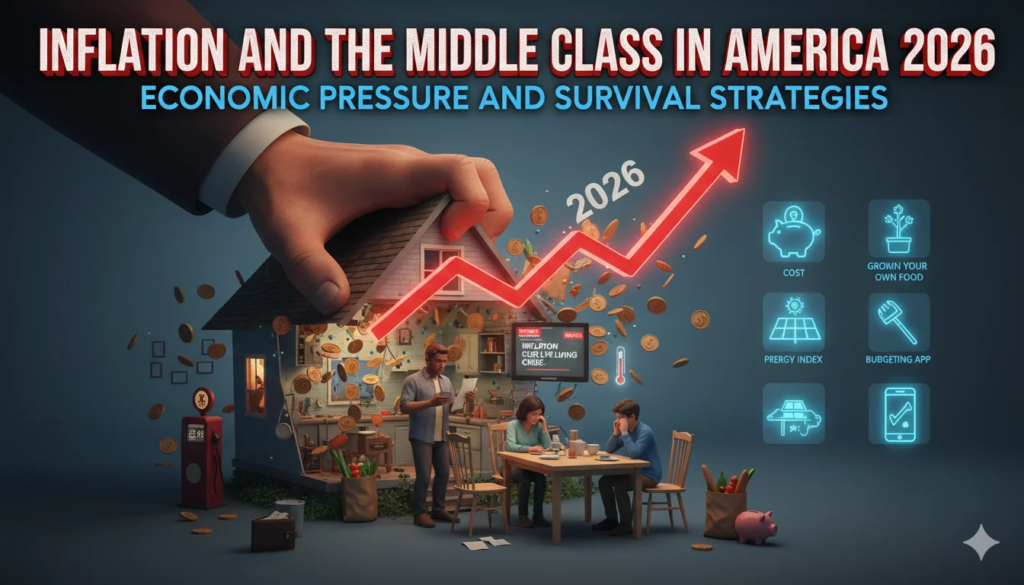
In 2026, inflation and the cost of living continue to play a significant role in shaping the economic reality of American households. Although inflation has moderated compared to earlier peaks, prices for essential goods and services remain structurally higher than pre-pandemic levels. As a result, households across different income groups are adjusting spending habits, reassessing financial priorities, and modifying lifestyles to maintain economic stability.
Inflation Trends in 2026
Inflation refers to the sustained increase in the general price level of goods and services over time. In the United States, inflation is commonly measured using the Consumer Price Index (CPI). By 2026, annual inflation has moved closer to the Federal Reserve’s long-term target, reflecting improvements in supply chains, energy markets, and monetary policy adjustments.
Despite this slowdown, many households continue to feel pressure because prices rarely return to previous levels. The cumulative effect of earlier inflation means that everyday expenses remain elevated, even when inflation rates appear lower in official data.
Key Cost-of-Living Pressures
Housing Costs
Housing remains the largest expense for most American families. Elevated rent prices, higher mortgage rates, and limited housing supply have contributed to persistent affordability challenges. In many metropolitan areas, housing costs consume a disproportionate share of household income, especially for renters and first-time buyers.
Food and Grocery Prices
Food inflation continues to affect household budgets in 2026. While supply conditions have improved, prices for meat, dairy, fresh produce, and packaged foods remain higher than historical averages. For lower-income households, food costs represent a larger share of total spending, increasing financial vulnerability.
Energy and Utilities
Electricity, heating, and fuel costs have stabilized compared to earlier volatility, but they remain sensitive to global energy markets and weather patterns. Seasonal fluctuations still create financial strain, particularly for households in regions with extreme climates.
Healthcare and Insurance
Healthcare expenses, including insurance premiums, out-of-pocket costs, and prescription drugs, continue to rise steadily. These costs place added pressure on fixed-income households, retirees, and families managing chronic health conditions.
How American Households Are Adapting
Spending Behavior Changes
Many households have adopted more cautious spending habits. Common strategies include choosing lower-cost alternatives, prioritizing essential purchases, and reducing discretionary spending on travel, dining, and entertainment. Brand loyalty has weakened as consumers increasingly compare prices and seek value.
Savings and Financial Planning
Households are placing greater emphasis on budgeting, emergency savings, and debt management. While some families have been able to rebuild savings, others rely more heavily on credit cards and short-term borrowing to manage rising expenses, increasing long-term financial risk.
Labor Market Adjustments
The labor market remains a key factor in household resilience. Wage growth has helped some workers offset higher living costs, though gains vary by industry and region. Many individuals pursue additional income sources, such as freelance work, overtime, or career transitions, to maintain purchasing power.
Changes in Living Arrangements
High housing costs have encouraged shifts in living arrangements. Trends include multigenerational households, delayed homeownership, and increased reliance on shared housing. These adjustments help reduce per-person expenses but also reflect broader affordability constraints.
Unequal Impact Across Income Groups
The effects of inflation are not evenly distributed. Lower-income households experience a higher effective inflation rate because a larger share of their income is spent on necessities that have seen faster price growth. Higher-income households, while affected, generally retain greater flexibility and financial buffers.
This divergence has contributed to widening economic disparities, influencing consumption patterns, savings behavior, and overall financial security.
Public Perception and Economic Confidence
Public sentiment toward inflation in 2026 remains mixed. While official indicators suggest stabilization, many Americans continue to perceive the cost of living as high and challenging. Expectations about future prices play an important role in shaping consumer behavior, from spending decisions to long-term financial planning.
Conclusion: In 2026, inflation may be lower than in previous years, but the cost-of-living reality continues to shape how American households manage their finances. Persistent price pressures in housing, food, healthcare, and energy require ongoing adaptation. Through changes in spending habits, work patterns, and living arrangements, households are navigating a new economic environment defined by higher baseline costs and cautious financial decision-making.
#Inflation2026 #CostOfLiving #USInflation #AmericanEconomy #EconomicTrends #EconomicOutlook #ConsumerPrices #FederalReserve #MonetaryPolicy #FiscalPolicy #Anslation #Carrerbook
📌 LATEST POST :
- Must-Try Cuisine in Turkey: A Complete Food Lover’s Guide
- Kyrgyzstan in 2026: The Ultimate Central Asia Travel Guide
- Exploring Taiwan: Beautiful Cities, Mountains, and Hidden Gems
- The Ultimate Switzerland Itinerary: What to See, Do, and Experience
- Measles in 2026: Tracking the Surge and New Hotspots
- Women’s Day 2026: Hidden Stroke Risks You Should Know
- Breast Cancer in India Doubles Since 1990: New Global Study
- Galaxy S26 Ultra Is Here: Everything You Need to Know