
“Awareness is not fear; it’s empowerment through knowledge and timely action.”
Breast cancer is one of the most common cancers worldwide and a leading health concern affecting millions of women—and, less commonly, men. Despite its prevalence, early awareness, timely screening, and healthy lifestyle choices can significantly improve outcomes. Understanding breast cancer is essential not only for prevention but also for early detection and informed decision-making.
Breast cancer develops when cells in the breast begin to grow uncontrollably, forming a tumor that can often be detected through screening or physical changes. While medical advances have improved survival rates, the disease’s impact on physical, emotional, and mental health makes education and awareness critically important.
Understanding Breast Cancer
Breast cancer can start in different parts of the breast, most commonly in the milk ducts (ductal carcinoma) or lobules (lobular carcinoma). It may remain localized or spread to nearby lymph nodes and other parts of the body. Early-stage breast cancer is often highly treatable, which is why screening and symptom awareness are vital. World Health Organization (WHO)
Common Symptoms and Warning Signs
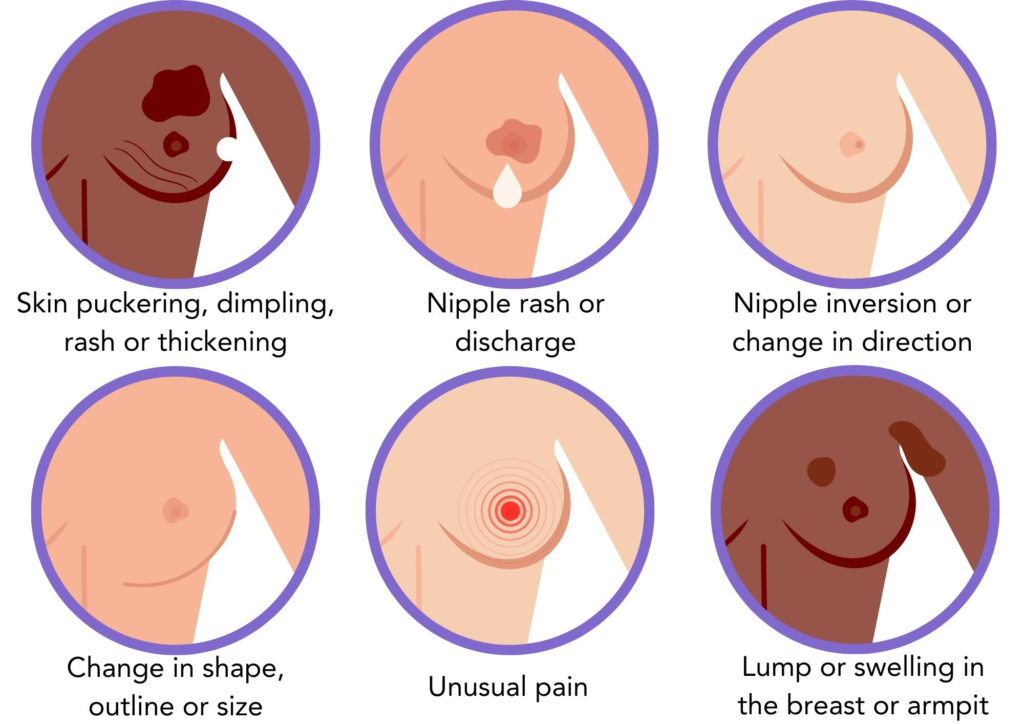
Symptoms can vary, and some people may have no noticeable signs in early stages. Common symptoms include a new lump or mass in the breast or underarm, changes in breast size or shape, skin dimpling, nipple discharge, or persistent breast pain. Any unusual or lasting change should be evaluated by a healthcare professional.
Causes and Risk Factors
There is no single cause of breast cancer. Instead, it develops due to a combination of genetic, hormonal, and lifestyle factors. Age, family history, genetic mutations (such as BRCA1 and BRCA2), hormonal changes, obesity, alcohol consumption, and lack of physical activity can increase risk. However, many people diagnosed with breast cancer have no obvious risk factors, highlighting the importance of routine screening.
Prevention and Risk Reduction
While breast cancer cannot always be prevented, certain steps may help reduce risk. Maintaining a healthy weight, limiting alcohol intake, staying physically active, and avoiding smoking are evidence-based strategies. Regular mammograms and clinical breast exams play a crucial role in early detection, especially for those with higher risk. Centers for Disease Control and Prevention (CDC)
Lifestyle, Nutrition, and Fitness Tips
A balanced diet rich in fruits, vegetables, whole grains, and lean proteins supports overall health and may help reduce cancer risk. Regular exercise—such as walking, strength training, or yoga—supports immune function and hormone balance. Equally important is mental well-being; stress management, social support, and counseling can improve quality of life for those affected by or at risk of breast cancer.
- Cloud Automation: How to Automate Everyday Cloud Tasks
 Cloud computing has made it much easier to store data,… Read more: Cloud Automation: How to Automate Everyday Cloud Tasks
 - 15 Healthy Sleep Habits for Better Rest and More Energy
 Getting enough sleep sounds easy until real life gets involved.… Read more: 15 Healthy Sleep Habits for Better Rest and More Energy
 - Stock Investing for Beginners: A Simple Guide to Smart Investing
 For someone who is completely new to investing, the stock… Read more: Stock Investing for Beginners: A Simple Guide to Smart Investing
 - Climate Change: Simple Ways to Understand Its Impact
 Most articles, news segments, and blog posts about climate change… Read more: Climate Change: Simple Ways to Understand Its Impact
 - Youth Culture and Technology: Trends Defining a New Generation
 Think about how much everyday life has shifted over the… Read more: Youth Culture and Technology: Trends Defining a New Generation
 - 12 Simple Ways to Improve Your Skin Health Naturally
 Most of us have fallen into the exact same trap.… Read more: 12 Simple Ways to Improve Your Skin Health Naturally
Mental and Emotional Health
A breast cancer diagnosis can significantly impact emotional health, leading to anxiety, fear, or depression. Addressing mental health alongside physical treatment is essential. Support groups, therapy, mindfulness practices, and open communication with loved ones can make a meaningful difference during prevention, treatment, or recovery.
Conclusion: Breast cancer remains a major global health challenge, but awareness, early detection, and informed lifestyle choices can save lives. By understanding symptoms, risk factors, and prevention strategies, individuals can take proactive steps toward better health. Regular screenings, balanced nutrition, physical activity, and emotional support together form a strong foundation for breast cancer prevention and care.
Medical Disclaimer: This content is for informational purposes only and is not a substitute for professional medical advice, diagnosis, or treatment. Always consult a qualified healthcare provider regarding any medical concerns or health decisions.
FAQ’s ?
#BreastCancer #CancerAwareness #WomenHealth #EarlyDetection #HealthAndWellness #CancerPrevention #MentalHealthSupport #HealthyLifestyle #MedicalAwareness #WellnessJourney