
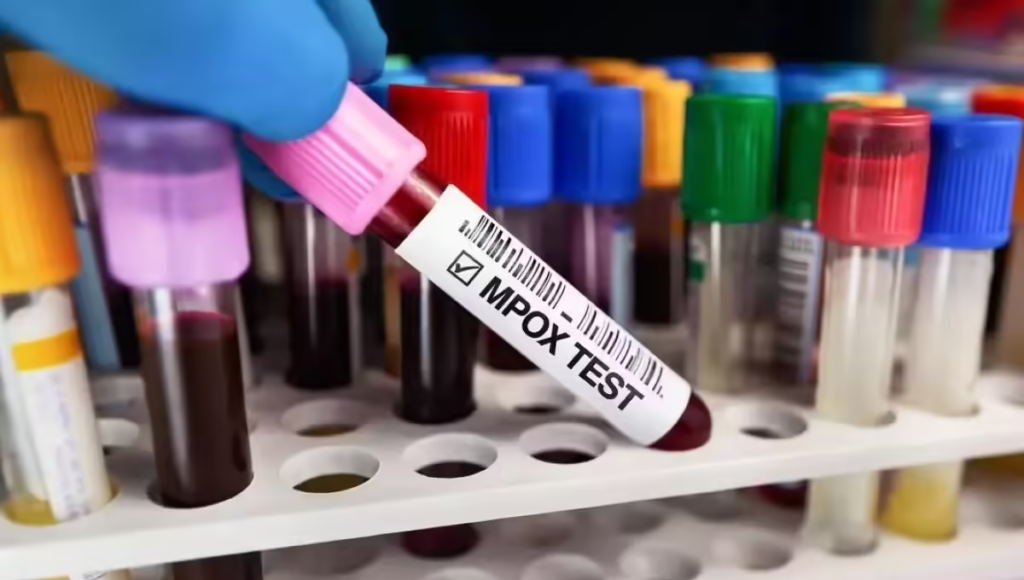
“Early awareness and timely isolation remain the most effective tools in limiting the spread of Mpox.”
The Mpox variant has re-emerged as a global public health concern, raising questions about transmission, severity, and prevention. Formerly known as monkeypox, Mpox is a viral illness that can affect people of all ages. While most cases are mild to moderate, understanding the variant, recognizing early symptoms, and taking preventive steps are essential to reduce spread and protect vulnerable populations.
This guide explains what the Mpox variant is, how it spreads, common symptoms, potential risks, and practical steps you can take to stay safe—based on guidance from trusted health authorities.
Understanding the Mpox Variant
Mpox is caused by the Mpox virus, a member of the Orthopoxvirus family, which also includes smallpox. Variants refer to genetically distinct strains that may differ slightly in how easily they spread or how symptoms present. Current variants circulating globally are being closely monitored by organizations like the World Health Organization (WHO) and Centers for Disease Control and Prevention (CDC) to assess risks and guide public health responses.
Most infections resolve on their own within a few weeks, but some individuals—especially those with weakened immune systems—may experience more severe illness.
Key Health Impacts and Why It Matters
While Mpox is not as contagious as many respiratory viruses, outbreaks can strain healthcare systems and cause significant discomfort and complications. Early awareness helps with timely isolation, treatment, and contact tracing, reducing community spread and protecting high-risk groups.
- 1-Day vs 2-Day Disneyland Paris Itinerary: How to Maximize Your Visit
 A trip to Disneyland Paris is always magical — but… Read more: 1-Day vs 2-Day Disneyland Paris Itinerary: How to Maximize Your Visit
 - A Knight of the Seven Kingdoms Series: Full Overview
 A Knight of the Seven Kingdoms is an upcoming fantasy… Read more: A Knight of the Seven Kingdoms Series: Full Overview
 - AI Growth and the Rising Bubble Risk in the US Economy
 Artificial intelligence has become one of the most powerful forces… Read more: AI Growth and the Rising Bubble Risk in the US Economy
Common Symptoms of the Mpox Variant
Symptoms usually appear 5–21 days after exposure and may include:
- Fever and chills
- Headache and muscle aches
- Swollen lymph nodes (a distinguishing feature)
- Fatigue and back pain
- Skin rash or lesions, often starting on the face or genital area and spreading
The rash progresses through stages (spots → blisters → scabs) and can be painful or itchy.
Causes and How Mpox Spreads
Mpox spreads primarily through close physical contact, including:
- Direct contact with skin lesions, scabs, or bodily fluids
- Prolonged face-to-face exposure (respiratory droplets)
- Contact with contaminated items like bedding or clothing
Animal-to-human transmission can occur through bites or handling infected animals, though recent outbreaks are mainly driven by human-to-human spread.
Risks and Possible Complications
Most people recover fully, but risks increase for:
- Individuals with weakened immune systems
- Pregnant women
- Children
Possible complications include secondary infections, scarring, dehydration, and—in rare cases—severe systemic illness.
Prevention and Management Strategies
Preventing Mpox focuses on reducing exposure and strengthening public health measures:
- Avoid close contact with infected individuals
- Practice good hand hygiene with soap or alcohol-based sanitizers
- Do not share personal items like towels or bedding
- Follow isolation guidelines if diagnosed or exposed
- Vaccination may be recommended for high-risk groups, depending on public health advice
Lifestyle, Nutrition, and Immune Support Tips
While lifestyle changes cannot cure Mpox, they can support recovery and immune health:
- Eat a balanced diet rich in fruits, vegetables, lean protein, and whole grains
- Stay hydrated and rest adequately
- Manage stress with light activity, breathing exercises, or meditation
- Avoid strenuous exercise during active infection to allow the body to heal
Conclusion: The Mpox variant highlights the importance of staying informed, recognizing symptoms early, and following evidence-based prevention strategies. While most cases are manageable, awareness and responsible health practices play a crucial role in protecting individuals and communities. By prioritizing hygiene, timely medical advice, and immune-supportive habits, you can reduce risks and support overall well-being.
FAQ’s ?
Medical Disclaimer: This content is for informational purposes only and is not a substitute for professional medical advice, diagnosis, or treatment. Always consult a qualified healthcare provider with questions about a medical condition or health concern.
#MpoxVariant #MpoxAwareness #PublicHealth #VirusPrevention #InfectiousDiseases #HealthEducation #WHOUpdates #CDCGuidelines #ImmunityHealth #GlobalHealth #Anslation #Carrerbook